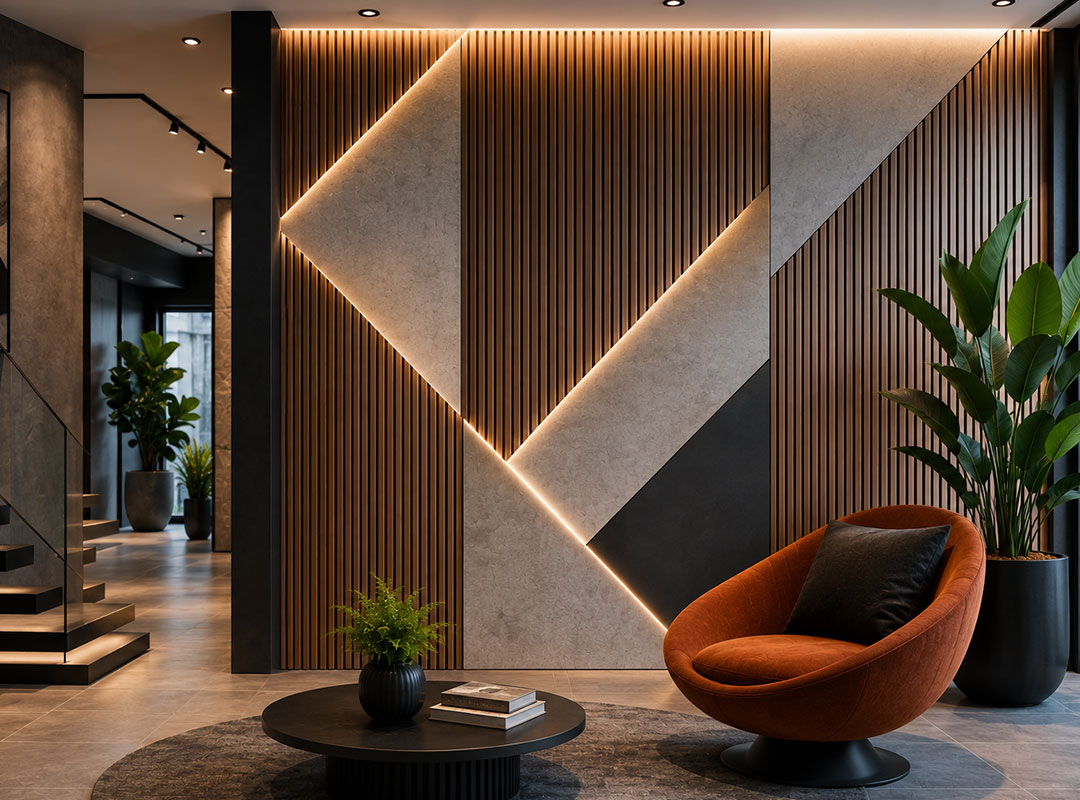
A wall-panel decision should be made early enough to influence measurements, electrical planning, carpentry and finishing work. Choosing a design from a catalogue before checking the wall, the room’s use and the renovation scope can lead to avoidable cutting, extra labour or a finish that does not suit the space. The right choice is not simply the panel that looks best in a photograph. It is the product, layout and installation method that suit the property and the way it will be used.
For homeowners comparing wall panels in Singapore, begin with a clear brief: which walls are being covered, what result is expected, what must remain accessible and which technical requirements apply. Wonde® offers collections including Stone, Wood Grain, Metallic, Cloth Pattern, Solid Colour, Ultra-HD and fluted panels, so the selection can be matched to a defined design and project requirement rather than treated as a purely decorative purchase.
1. What Exactly Do I Want the Panels to Achieve?
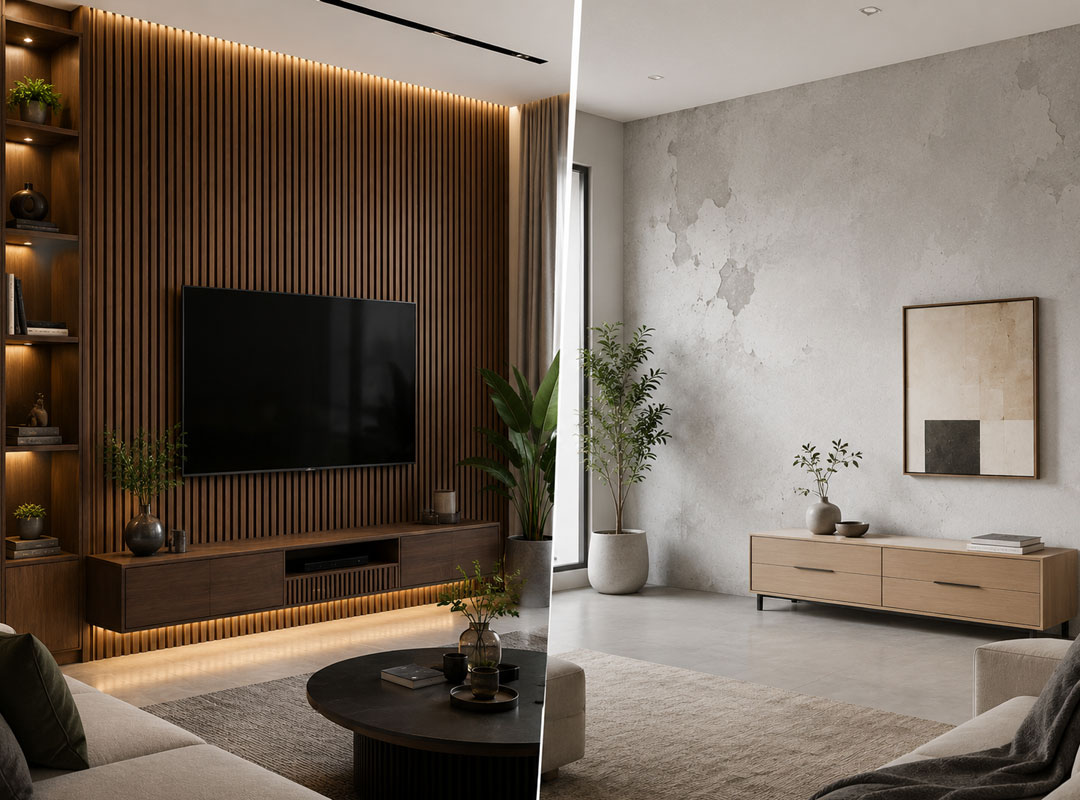
Before choosing a pattern, define the purpose of the wall treatment. Are you trying to create a focal wall behind a bed, give a living-room backdrop a more finished appearance, protect a high-contact surface, conceal an untidy existing finish or coordinate a wall with new cabinetry? A clearly stated objective helps narrow the choice when comparing wall panels in Singapore and prevents spending on coverage that adds little value. It also determines whether one feature wall is enough or whether several connected surfaces need a consistent treatment. When reviewing decorative wall panels, judge each option against this brief instead of selecting a design first and trying to make the rest of the room fit around it. The aim is to shortlist decorative wall panels that serve the planned function, not simply the most eye-catching sample. Share the intended use, wall locations and approximate coverage with your supplier so recommendations are based on the actual project.
2. Is the Panel Appropriate for the Wall and Room Conditions?
Check the wall’s condition before ordering materials. Peeling paint, loose plaster, damp patches, active leakage, mould or significant unevenness should be investigated and addressed rather than hidden behind a new surface. The panel itself cannot correct the source of a moisture problem or make a weak substrate sound. Ask the installer what preparation is required, what fixing method is proposed and whether the existing wall can support the system. Product claims also need to match the intended application: moisture resistance does not automatically mean that a product is suitable for every wet area or can replace a waterproofing system. When evaluating WPC wall panels, request the technical information for the exact collection and confirm its intended use. A proper site check reduces the risk of choosing a visually suitable product that is incompatible with the conditions behind it.
3. Have I Checked the Panel Size Against the Actual Wall Layout?
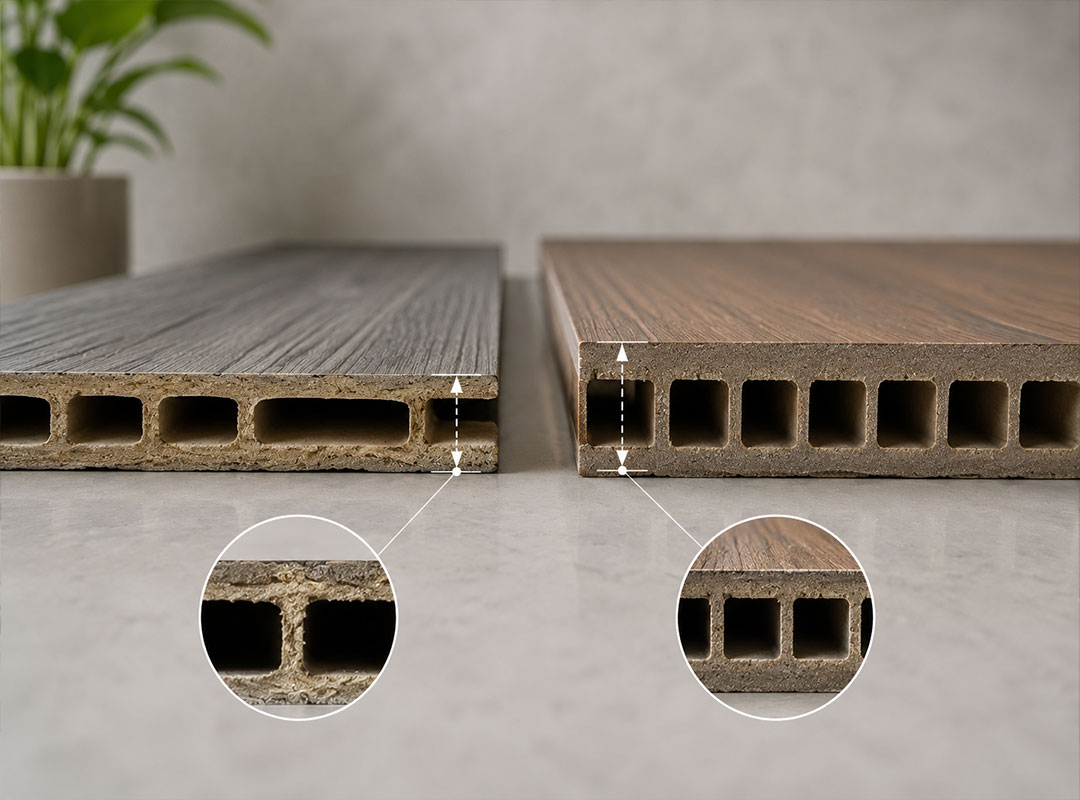
Panel dimensions affect the number of pieces required, the position of visible joints and the amount of cutting around corners, doors, windows, switches and built-in furniture. Do not estimate quantities from a room’s floor area alone. Measure the wall surfaces individually, note obstacles and confirm the supplier’s usable panel dimensions before calculating coverage. A large-format panel can create a cleaner visual result, but it still needs a deliberate joint plan and accurate trimming. When calculating WPC wall panels, use the actual usable coverage and account for cuts rather than relying on floor area alone. Wonde® lists WPC panel formats including 1100 × 2800 mm, with product options that may include 5 mm and 8 mm thicknesses; check the current specification of the selected product rather than assuming every collection has identical dimensions. Ask for a layout or cutting plan before installation, especially if the design has a strong pattern, repeated grooves or stone-like veining. This makes the expected finish easier to assess and helps reduce avoidable offcuts.
4. What Documentation Supports the Product’s Performance Claims?
Marketing descriptions are not a substitute for technical documentation. Before committing to wall panels in Singapore, ask for the exact product data sheet, installation instructions, cleaning guidance and relevant test or certification records. Check which material the panel is made from, what performance has been tested, and whether the stated ratings apply to the selected colour, thickness and product series. Fire-performance terminology, for example, can refer to different testing systems; do not assume that a rating mentioned in a brochure automatically satisfies every project or local regulatory requirement. This is particularly important in condominiums, rental properties and commercial premises where building management or project specifications may impose conditions. Wonde® publishes technical details for its product ranges, but the applicable documents should be confirmed for the chosen item and the intended site. For WPC wall panels, make sure any test report or performance statement relates to the exact product and thickness being quoted. Keep these records with the renovation documents so the installer, owner and future maintenance team can refer to the same information.
5. How Will the Panels Connect With the Rest of the Renovation?
A finished wall rarely stands alone. Its edges meet ceilings, skirting, flooring, window frames, doors, cabinetry, sockets and sometimes existing tile or paint. Decide how these transitions will be finished before the work starts. Ask whether trims or profiles are needed, how external corners will be handled, whether socket extensions or repositioning are required, and whether furniture will sit flush against the new surface. The added panel thickness can affect clearances around switches, door casings and wall-mounted fixtures, so these details should be checked on site rather than left to the installer on the day. Decorative wall panels also need to be coordinated with nearby materials under the actual lighting conditions; a sample that looks balanced in a showroom may appear warmer, cooler or more reflective beside the installed flooring. Confirming these interfaces in advance produces a more intentional result and reduces last-minute finishing decisions.
6. What Work Must Happen Before, During and After Installation?
Ask the installer to explain the sequence, not just the number of days required. The plan should identify whether furniture needs to be moved, whether old finishes must be removed, how dust and waste will be controlled, and when electrical or carpentry work needs to be completed. Confirm that measurements will be checked again before panels are cut and clarify who is responsible for protecting flooring and adjoining surfaces. If cables, plumbing access points or inspection panels sit behind the proposed treatment, they must remain accessible where required; covering them without a plan can make future repairs unnecessarily disruptive. For WPC wall panels, follow the installation method specified for the selected product rather than assuming that all composite panels use the same adhesive, frame or fixing system. Ask for the expected curing or settling time, any restrictions before cleaning, and the process for inspecting joints and edges at handover. A written sequence helps coordinate trades and makes responsibilities clearer.
7. Does the Quotation Explain the Full Scope and Future Responsibilities?
Compare quotations on a like-for-like basis. A low price for decorative wall panels may exclude wall preparation, measurement, delivery, profiles, adhesives, cutting, access equipment, removal of existing finishes, waste disposal or touch-up work. Ask for each inclusion and exclusion in writing, along with the quantity, product code, thickness, finish, installation method, payment schedule and warranty terms. Clarify how extra work will be priced if the wall is damaged or uneven once the existing finish is removed. Also ask how to order a matching replacement panel later, whether batch or finish variations are possible, and which cleaning products or methods should be avoided. These details matter because even a durable finish may eventually need repair after impact, water damage elsewhere in the wall or changes to built-in furniture. A reliable supplier should help you understand the selected system and its limitations, rather than leaving key decisions unresolved until the installation begins.
Making a Confident Selection
The most useful way to choose wall panels in Singapore is to assess the product as part of the whole renovation. Start with the purpose of the wall, inspect the substrate, verify the dimensions and supporting documentation, then agree on the details of installation and cost. Samples and written specifications are more dependable than choosing from a digital image alone.
Wonde® provides several design directions, from stone-inspired and wood-grain finishes to metallic, cloth-pattern, solid-colour, Ultra-HD and fluted options. The best choice depends on the room, the surface being covered, the required performance and how the panels will meet the surrounding finishes. Compare WPC wall panels by their documented specifications, not by appearance alone. Before placing an order, confirm the latest product details, quantities, lead times and installation requirements directly with the supplier.
A renovation runs more smoothly when important decisions are made before materials arrive. A clear shortlist of wall panels in Singapore also makes supplier comparisons more meaningful. By asking these seven questions, you can compare suppliers on clear criteria, brief your installer accurately and select decorative wall panels that support the design without creating unnecessary complications. The aim is not to cover every wall with the most striking material available. It is to specify the right product for the right surface, with a finish and installation plan that make sense for the home.