Interior design has evolved significantly over the last decade. Walls are no longer treated as simple background surfaces. In modern homes, offices, restaurants, hotels, and retail spaces, wall finishes now play a major role in defining the atmosphere, style, and functionality of an interior. For years, traditional wall finishes such as paint, wallpaper, tiles, laminates, and natural wood dominated interior design because they were affordable, familiar, and widely available. But modern expectations have changed. Today, homeowners and designers want materials that not only look attractive but also remain durable, low-maintenance, and visually refined for years.
This shift has increased the popularity of WPC wall panels in modern interiors, especially in urban markets where moisture resistance, durability, and efficient installation matter more than ever. Many property owners are now actively comparing WPC Wall Panels vs Traditional Wall Finishes to determine which option performs better in real-world conditions. The debate is no longer only about appearance. Almost every wall finish can look impressive immediately after installation. The real difference appears after years of exposure to humidity, scratches, stains, and daily use. Which material lasts longer? Which requires less maintenance? Which creates a premium interior without becoming expensive to maintain? These questions are why many homeowners now ask: Are WPC Wall Panels Better Than Paint for modern interiors? Brands specializing in advanced wall systems, such as Wonde®, are becoming increasingly relevant because buyers today prioritize both aesthetics and long-term performance.
1. Understanding WPC Wall Panels
WPC stands for Wood Plastic Composite, a material created by combining wood fibers with thermoplastics and performance-enhancing additives. The result is a wall panel system that captures the warmth and texture of wood while eliminating many of the problems associated with traditional wall materials. Unlike natural timber, WPC does not easily absorb moisture, crack, warp, or attract termites. Unlike painted walls, it adds texture and architectural depth without frequent repainting. Unlike wallpaper, it performs far better in humid environments. These advantages make WPC wall panels a practical choice for both residential and commercial interiors where durability and low maintenance are important. The demand for WPC Wall Panels in Singapore has grown rapidly because property owners increasingly prefer materials that can handle humidity while maintaining a premium appearance over time.
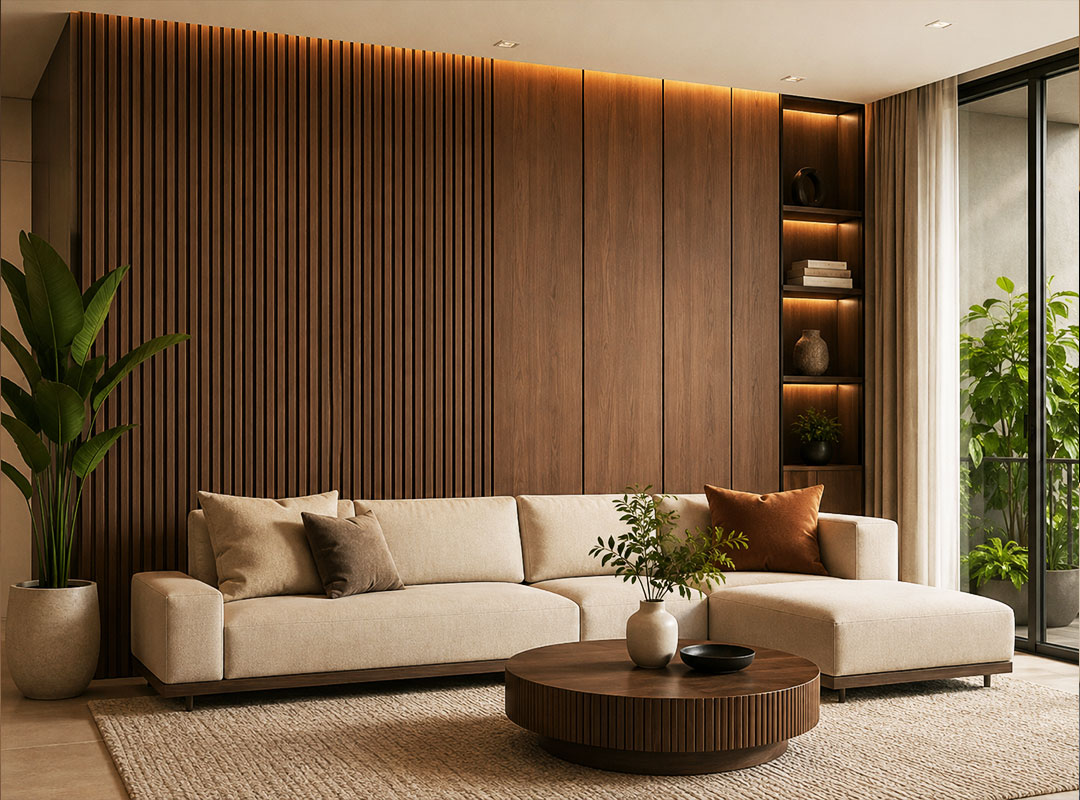
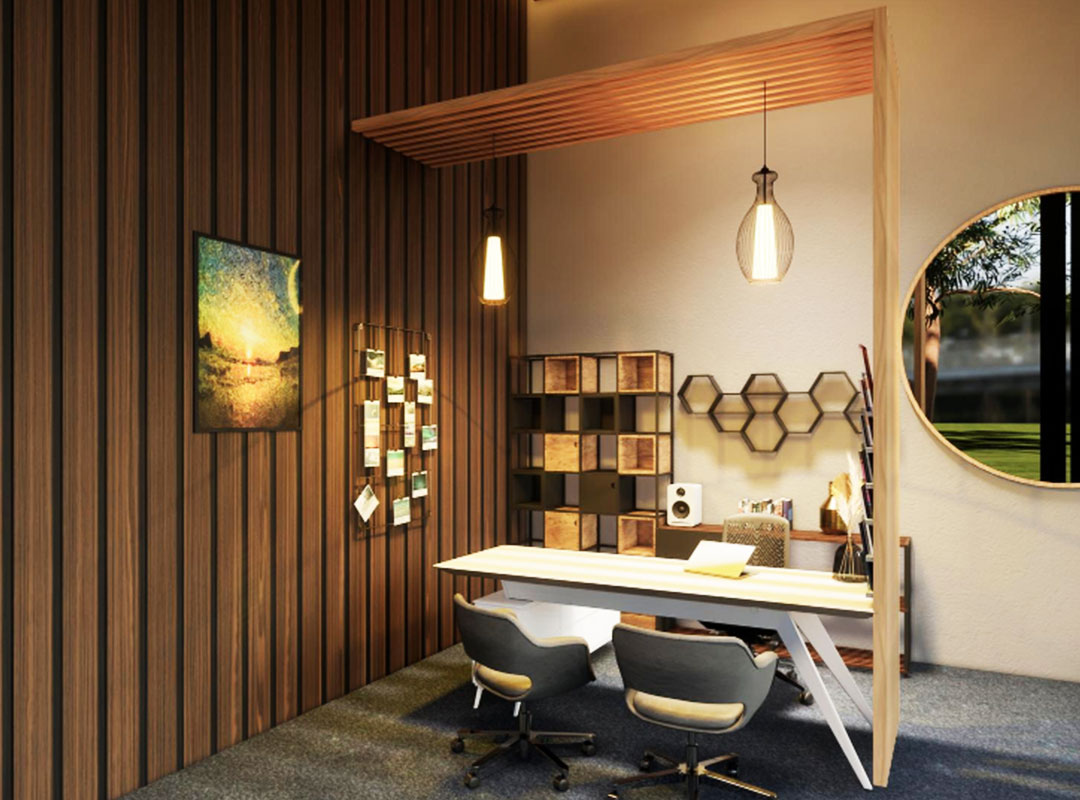
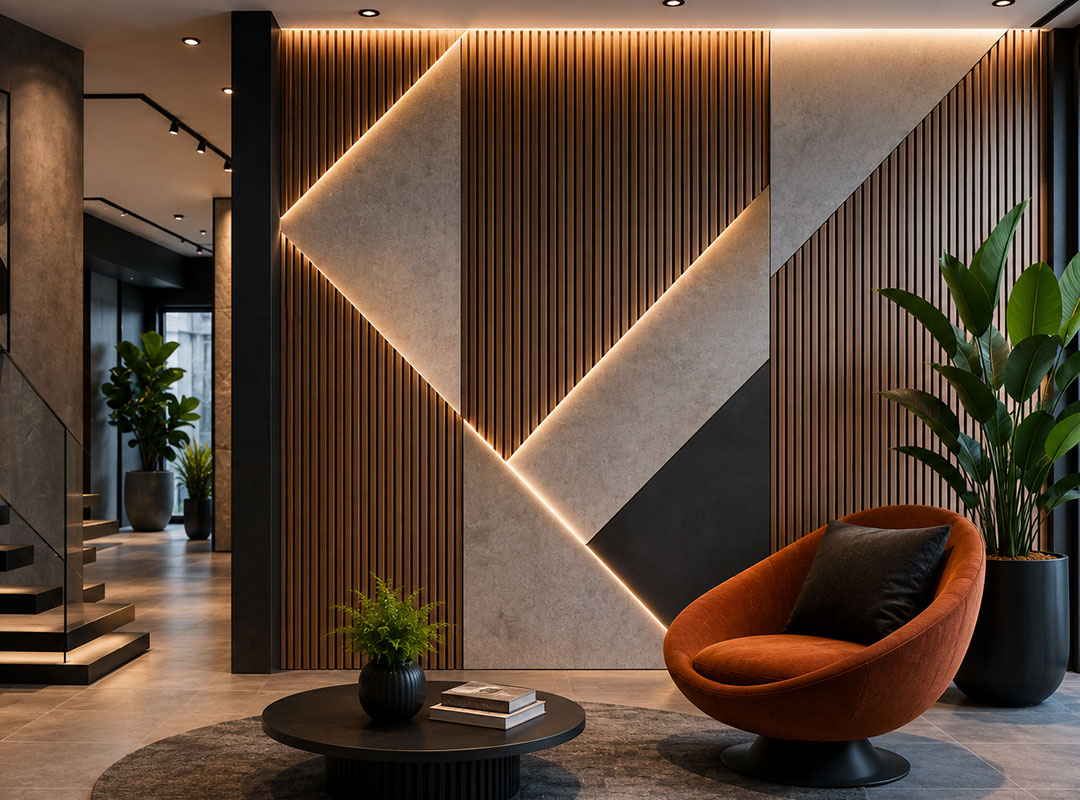
In modern design, walls are expected to contribute visually to the identity of a room. Flat painted surfaces often feel incomplete unless supported by decorative lighting, artwork, or layered furniture. WPC wall panels naturally introduce depth and texture, allowing the wall itself to become a design feature. That is why they are frequently used in TV feature walls, hotel lobbies, office cabins, reception counters, dining spaces, and luxury bedrooms.
The increasing demand for WPC Wall Panels in Singapore also reflects how modern property owners are moving toward materials that combine visual appeal with long-term practicality. Fluted textures, slatted patterns, matte finishes, and woodgrain surfaces help create interiors that feel modern, warm, and architecturally refined.
2. Why Traditional Wall Finishes Still Remain Popular
Traditional wall finishes remain popular because they are affordable, familiar, and widely accessible. Paint continues to dominate residential interiors because of its low upfront cost and flexibility in colors. Wallpaper offers decorative variety, while natural wood creates a timeless and premium visual identity. Tiles also remain common in moisture-prone areas because of their practicality.
However, traditional finishes come with long-term limitations that become increasingly noticeable over time. Painted walls eventually fade, chip, and stain. Wallpaper often peels in humid conditions, while natural wood requires polishing, sealing, and termite protection. Tiles may develop discolored grout lines that affect the overall appearance of the space.
These problems are not always visible immediately after installation, but they become difficult to ignore after years of daily use and environmental exposure. This is exactly why discussions around WPC Wall Panels vs Traditional Wall Finishes continue growing among homeowners, architects, and interior designers. As more consumers evaluate long-term durability and maintenance costs, the comparison between WPC Wall Panels vs Traditional Wall Finishes has become increasingly relevant in modern renovation projects.
3. Aesthetic Appeal: Texture vs Flat Surfaces
One of the biggest differences between WPC panels and traditional wall finishes is how they influence the visual depth of a space. Paint creates a clean appearance, but it often lacks character on its own. Designers usually compensate by adding artwork, decorative lighting, or layered furniture arrangements. Wallpaper introduces decorative patterns, but many styles become outdated quickly as design trends change. WPC wall panels create architectural texture directly within the wall itself. Fluted designs, slatted surfaces, and wood-inspired finishes add depth and sophistication without excessive decoration. This becomes especially valuable in minimalist interiors where fewer decorative elements are used intentionally. In such spaces, the wall itself becomes a statement feature. A living room with WPC panels behind a television immediately feels more premium and complete than a plain painted wall. The same applies to hotel receptions, executive cabins, dining areas, and office meeting rooms where texture contributes heavily to perceived luxury. Another advantage is consistency. Paint quality depends heavily on surface preparation and application skill. Wallpaper seams may become visible over time, while natural wood can display inconsistent grain patterns. WPC panels provide a cleaner and more uniform finish across large surfaces, which aligns strongly with modern design aesthetics focused on precision and simplicity.
This visual advantage is another reason why many designers comparing WPC Wall Panels vs Traditional Wall Finishes increasingly prefer engineered wall panel systems for modern interiors.
4. Durability Changes the Entire Cost Equation
Most wall finishes look attractive immediately after installation. The real difference becomes visible after years of exposure to humidity, scratches, stains, and temperature changes. Traditional finishes often begin showing wear relatively quickly. Painted walls crack and fade, wallpaper tears and peels, and natural wood expands or contracts depending on humidity levels. This is one reason many homeowners and designers now ask, “Are WPC Wall Panels Better Than Paint” when choosing materials for long-term interior applications. WPC wall panels are engineered specifically for stability and durability. Their composite structure minimizes warping, cracking, and moisture-related deformation. They are also resistant to termites, which remains a major concern with traditional wood finishes. This durability becomes especially important in commercial environments where maintenance disrupts operations and increases costs. Residential interiors also benefit from long-term durability. A wall finish requiring repainting every few years eventually becomes more expensive than a material with a higher upfront cost but lower maintenance needs. This long-term perspective is one of the strongest arguments supporting WPC wall systems in modern interior design. The growing focus on durability is also one reason why WPC Wall Panels in Singapore are becoming increasingly common in offices, condominiums, hotels, and retail environments.
5. Moisture Resistance Is a Major Advantage
Humidity is one of the biggest challenges in interior construction, especially in tropical climates and heavily air-conditioned spaces. Traditional wall finishes often struggle with moisture exposure. Paint bubbles and peels, wallpaper traps mold underneath, and wood absorbs moisture and swells over time. WPC wall panels were designed specifically to solve these issues. Because they contain thermoplastic components, they resist water absorption far more effectively than conventional wood products. This makes them highly suitable for kitchens, bathrooms, office interiors, utility spaces, and commercial environments where humidity levels fluctuate regularly. Moisture resistance has become one of the biggest reasons behind the rising demand for WPC Wall Panels in Singapore, especially in residential and commercial interiors exposed to constant humidity and temperature changes. Modern interior design is no longer only about aesthetics. Indoor hygiene and long-term air quality also matter. Mold growth behind wallpaper or inside damp wall systems can lead to expensive repairs and long-term maintenance issues. WPC panels significantly reduce these risks because they do not trap moisture as easily as porous traditional materials. This practical advantage is one reason architects increasingly specify WPC systems for condominiums, hospitality projects, and modern office interiors. When comparing WPC Wall Panels vs Traditional Wall Finishes, moisture resistance remains one of the biggest deciding factors for homeowners and designers.
6. Faster Installation and Lower Maintenance
Modern renovation projects operate under increasingly tight timelines. Businesses cannot remain closed for extended periods, and homeowners prefer quicker completion with less mess and disruption. Traditional wall finishes often involve multiple stages such as sanding, putty work, priming, multiple paint coats, adhesive curing, and grout finishing. WPC wall panels simplify much of this process. Many systems use modular installation methods that significantly reduce labor time. Panels can often be installed directly over existing surfaces, reducing demolition work and construction waste. This creates practical advantages such as faster project completion, cleaner installation, reduced downtime, and better cost predictability. Maintenance is another major advantage. Painted walls require periodic repainting, wallpaper often needs replacement after discoloration or peeling, and wood surfaces require polishing and protective treatments. WPC wall panels require minimal upkeep in comparison. Most surfaces only need occasional cleaning with a damp cloth or mild detergent. There is no need for repainting, polishing, or sealing. For busy homeowners and commercial spaces, this low-maintenance quality becomes extremely valuable over time because it reduces both inconvenience and recurring costs. This is another reason many homeowners now ask, “Are WPC Wall Panels Better Than Paint” when planning modern interior renovations.
7. Sustainability and Acoustic Benefits
Sustainability has become increasingly important in modern architecture and interior design. Many WPC products are manufactured using recycled wood fibers and recycled plastics, reducing dependence on virgin timber resources. Their longer lifespan also contributes to sustainability because fewer replacements are required over time. Traditional finishes vary significantly in environmental impact. Some paints release volatile organic compounds, while wallpaper creates disposal waste during replacement cycles. WPC panels often provide a stronger long-term environmental balance because of their durability and reduced maintenance requirements. Another overlooked benefit is acoustic performance. Modern minimalist interiors often struggle with echo because hard painted walls and tiled surfaces reflect sound aggressively. Certain WPC panel designs, especially fluted and slatted systems, help diffuse sound waves and improve acoustic comfort. This contributes to quieter interiors, improved speech clarity, reduced echo, and more comfortable office and hospitality environments. Traditional wall finishes rarely provide these acoustic benefits without additional treatments. The increasing demand for WPC Wall Panels in Singapore also reflects growing awareness around sustainability, functionality, and acoustic comfort in modern interior spaces.
8. Addressing the Limitations of WPC Panels
Although WPC panels offer many advantages, they are not completely without limitations. High-quality WPC systems usually cost more upfront than basic paint finishes, so traditional paint may still appear more attractive for projects operating under tight budgets. Low-grade WPC products can also look artificial if poorly manufactured. Surface quality, finish realism, and texture detailing vary significantly between suppliers. Installation quality matters as well because poor alignment or low-quality accessories can reduce the premium appearance of the final result.
Natural hardwood still offers a level of authenticity and luxury perception that some homeowners strongly prefer, especially in ultra-premium interiors. However, high-quality WPC systems solve many of the durability and maintenance issues associated with traditional materials while offering far better moisture resistance and long-term stability. This is why material quality and supplier selection remain extremely important when choosing WPC solutions for modern interiors.
The growing shift toward WPC wall panels reflects changing priorities in modern interior design. Traditional finishes such as paint, wallpaper, and natural wood still offer flexibility and decorative value, but they often involve higher maintenance, shorter replacement cycles, and greater vulnerability to moisture and wear. WPC wall panels provide a stronger balance between aesthetics and practicality. They offer the warmth and texture modern interiors demand while solving many of the long-standing problems associated with conventional wall systems. Their durability, moisture resistance, low maintenance requirements, installation efficiency, and architectural versatility make them increasingly suitable for contemporary residential and commercial interiors.
For homeowners, designers, and businesses comparing WPC Wall Panels vs Traditional Wall Finishes, WPC systems are increasingly becoming the smarter long-term investment. As demand for durable and design-focused interior materials continues growing, companies such as Wonde® are becoming increasingly relevant in the evolution of smarter modern interiors.