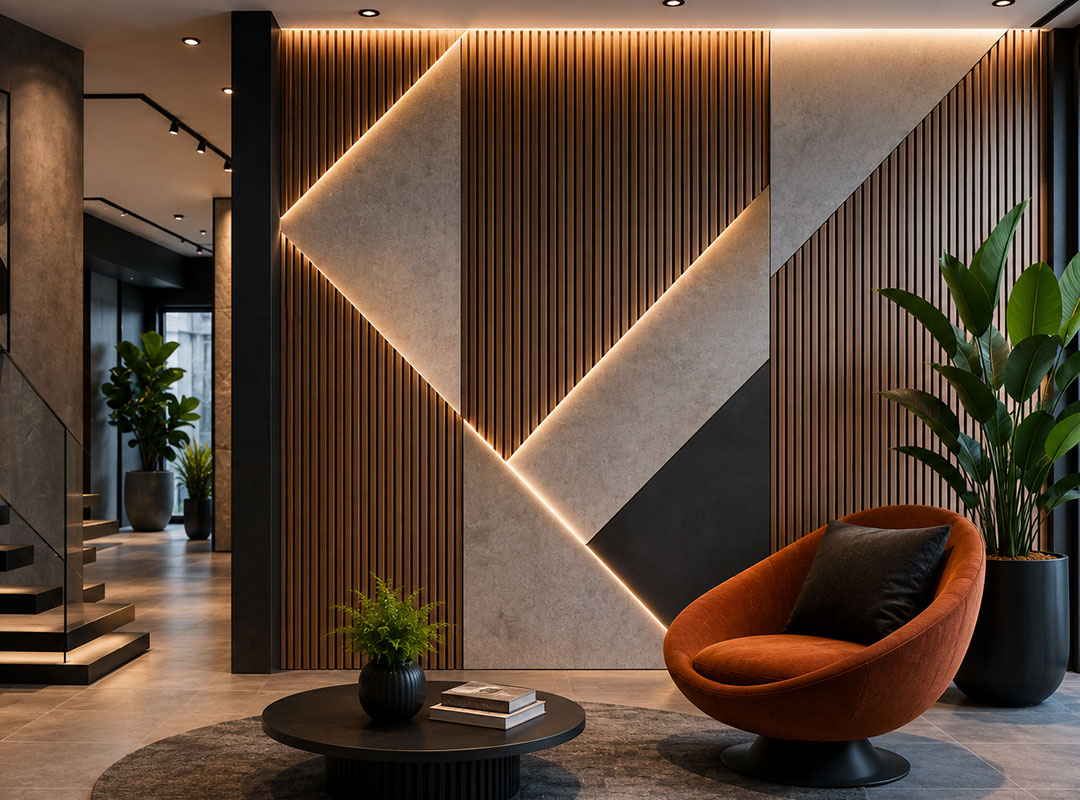
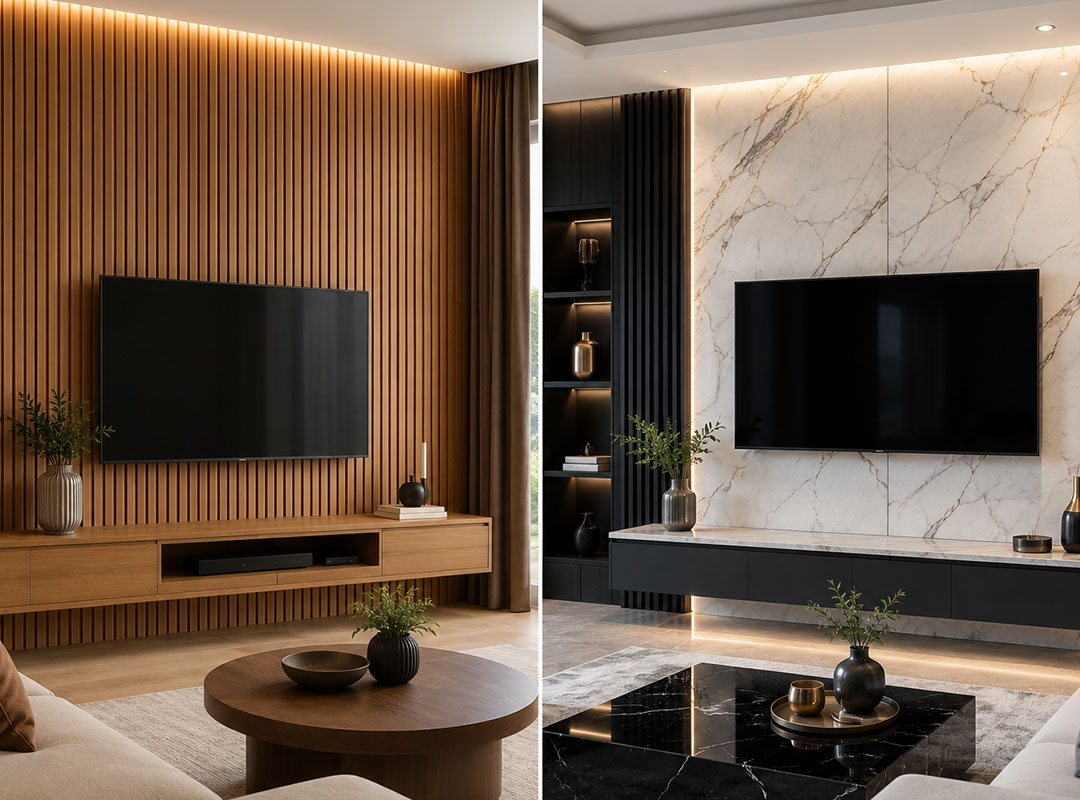
Singapore homeowners are no longer treating walls as mere structural surfaces. Walls have become part of the overall design language of a home. In modern HDB flats, condominiums, and landed properties, decorative wall panels are increasingly being used across Singapore homes to create texture, improve spatial aesthetics, and elevate interior spaces without extensive renovation work. This shift is not happening by accident. Decorative wall panels solve several challenges that Singapore homeowners commonly face: limited space, humid weather, high renovation costs, and the need for stylish yet low-maintenance interiors. As interior trends move toward clean architectural finishes and layered textures, Modern Interior Wall Panels in Singapore have emerged as one of the most practical and visually impactful design solutions available today.
Modern suppliers such as Wonde® now offer a wide range of panel finishes including wood grain, stone textures, metallic surfaces, fluted profiles, and fabric-inspired designs that suit both minimalist and luxury interiors. The growing demand for Decorative Wall Panels in Singapore reflects a larger shift toward homes that prioritize aesthetics, functionality, and durability at the same time.
1. The Shift Away from Plain Painted Walls
For many years, painted walls dominated Singapore homes because they were affordable and straightforward. However, homeowners have gradually started moving away from flat monochromatic surfaces. Plain paint often lacks depth and character, especially in modern interiors where texture and material contrast play an important role. Painted walls also come with long-term maintenance issues. Scuff marks, uneven touch-ups, moisture stains, and fading are common problems in Singapore’s humid climate. Repainting becomes necessary after several years, particularly in high-traffic areas such as living rooms and hallways.
This is one of the reasons why Modern Interior Wall Panels in Singapore are becoming increasingly preferred in residential projects. Instead of relying purely on color, panels introduce architectural texture and dimensionality. A fluted panel, for example, creates shadow lines that change throughout the day depending on lighting conditions. Stone-inspired panels add visual weight and sophistication. Wood grain finishes introduce warmth without the upkeep associated with natural timber. The result is a more complete and intentional interior appearance. Rather than treating walls as background elements, homeowners now use them as focal points within the home.
2. Singapore Homes Are Becoming More Design-Oriented
Social media has significantly influenced interior design expectations in Singapore. Platforms such as Instagram and Pinterest have exposed homeowners to international interior trends, luxury hotel aesthetics, and contemporary architectural finishes. As a result, homeowners increasingly seek interiors that feel curated rather than generic.
Decorative Wall Panels in Singapore fit naturally into this trend because they instantly create a premium look without requiring major structural renovation. A simple feature wall behind a television console or bed frame can completely transform the visual identity of a room. This is especially important in Singapore where residential units are often compact. Since floor area is limited, every visible surface matters. Walls occupy a large portion of the visual field inside a home. Enhancing them has a substantial impact on the perceived quality of the space.
Instead of overcrowding rooms with excessive furniture or decoration, homeowners are using textured wall finishes to create sophistication through simplicity.
3. Decorative Panels Create Luxury Without Excessive Renovation
One reason decorative wall panels are gaining traction is their ability to create high-end interiors without the complexity of traditional renovation methods. Natural stone walls, marble slabs, or custom carpentry can be expensive, labor-intensive, and difficult to maintain. Decorative panels replicate many of these aesthetics more efficiently. Modern WPC Wall Panels for Homes can achieve the appearance of wood, stone, or metal while remaining lightweight and easier to install.
This matters in Singapore because renovation costs continue to rise. Homeowners are looking for solutions that provide strong visual impact while remaining practical from a budget and installation perspective. Panels also reduce renovation downtime. Compared to hacking, tiling, or complex masonry work, wall panel installations are generally cleaner and faster. Many homeowners prefer solutions that minimize dust, noise, and disruption, especially when renovating occupied homes. The ability to achieve a designer look without an extended renovation timeline has made Decorative Wall Panels in Singapore extremely attractive in urban residential settings.
4. Humidity Resistance Matters in Singapore
Singapore’s tropical climate creates unique interior maintenance challenges. High humidity levels can cause certain materials to warp, peel, crack, or develop mold over time. This is one reason why wall panels made from advanced composite materials are becoming increasingly popular. Modern decorative panels are engineered to withstand moisture and humidity better than many traditional materials.
For homeowners, durability is not optional. Interiors must remain visually consistent for years despite constant exposure to moisture and fluctuating temperatures. WPC Wall Panels for Homes are especially relevant in Singapore because they combine the visual warmth of wood with improved moisture resistance and reduced maintenance requirements. Unlike natural timber, they are less susceptible to swelling, cracking, or termite-related concerns.
This makes them suitable for living rooms, bedrooms, hallways, and even certain semi-moist environments where durability is important. Practicality plays a major role in Singaporean renovation decisions. Homeowners want aesthetics, but they also expect materials to perform well over time. Modern Interior Wall Panels in Singapore satisfy both expectations.
5. Feature Walls Have Become a Core Interior Element
Feature walls are no longer considered optional decorative additions. In many Singapore homes, they have become central design components. Television walls, dining backdrops, entryway panels, and bedroom headboard walls are increasingly designed with texture and material layering in mind. Decorative Wall Panels in Singapore help define these focal zones while adding depth to otherwise compact interiors.
Fluted panels, in particular, have become extremely popular because they create subtle architectural rhythm without overwhelming the space. Their vertical lines also visually elongate walls, making rooms appear taller and more refined. This is especially beneficial in HDB flats and condominiums where ceiling heights are fixed and spatial perception becomes crucial.
Stone-inspired panels are also widely used to create hotel-inspired luxury aesthetics. When paired with warm lighting and minimalist furniture, these finishes create a sophisticated atmosphere without excessive ornamentation. The growing demand for feature walls reflects a broader change in interior priorities. Homeowners are focusing more on experiential living rather than purely functional design. People want homes that feel calm, premium, and visually cohesive. Decorative wall panels contribute significantly to that experience.
6. Minimalist Interiors Need Texture
Minimalist design remains highly popular in Singapore, but minimalism today is very different from earlier sterile or plain interpretations. Modern minimalist interiors rely heavily on material texture, tonal layering, and architectural details to create warmth and depth. Modern Interior Wall Panels in Singapore fit perfectly into this design philosophy. Without texture, minimalist spaces can feel flat or unfinished. Panels introduce dimension while maintaining visual simplicity.
For example:
- Wood grain panels add organic warmth to neutral interiors
- Cloth-pattern panels soften modern spaces visually
- Metallic finishes introduce contemporary sophistication
- Fluted textures create architectural interest without clutter
- Stone-inspired surfaces provide depth and permanence
These materials allow homeowners to maintain a clean and uncluttered look while still achieving richness in the space. This balance between simplicity and sophistication is one of the biggest reasons Decorative Wall Panels in Singapore continue to grow in popularity.
7. Acoustic Comfort Is Becoming More Important
Singapore homes are becoming more multifunctional. Living rooms now double as entertainment spaces, work-from-home environments, and social gathering areas. As a result, acoustic comfort has become more important than before.
Decorative acoustic panels are increasingly used to improve sound absorption while enhancing aesthetics at the same time. Acoustic fluted panels, for instance, combine visual texture with functional noise reduction. This is particularly relevant in apartments where echoes and sound reflection can affect comfort. Homeowners today are paying more attention to how spaces feel acoustically, not just visually. Softening sound within a room contributes to a calmer and more premium living experience. WPC Wall Panels for Homes also help create layered interiors that feel quieter and more comfortable.
8. Decorative Panels Complement Modern Lighting Design
Lighting and wall textures now work together as part of a cohesive interior concept. In contemporary Singapore homes, indirect lighting, cove lighting, and concealed LED strips are often paired with textured wall panels to create layered visual effects. Fluted panels are especially effective because their grooves interact with light and shadow throughout the day. Stone and metallic finishes also respond dynamically to warm ambient lighting. This creates depth that plain painted walls simply cannot achieve. Many luxury-inspired interiors now rely on this interaction between lighting and surface texture to establish atmosphere. The popularity of Modern Interior Wall Panels in Singapore is therefore closely connected to the evolution of modern lighting design. Homeowners are not merely decorating walls anymore. They are designing spatial experiences.
9. Customization and Design Flexibility
Another reason decorative wall panels are growing in popularity is the enormous flexibility they provide. Modern panel systems are available in various:
- Colors
- Textures
- Dimensions
- Groove patterns
- Surface finishes
- Installation styles
This allows homeowners and designers to tailor interiors according to specific themes. A Japandi-inspired home may use soft wood grain panels. A luxury contemporary condo may incorporate metallic or marble-inspired finishes. A modern monochrome interior may utilize charcoal fluted panels for contrast. The versatility of WPC Wall Panels for Homes makes them suitable across multiple design styles without feeling repetitive. Suppliers now offer highly diverse collections including wood grain, metallic, cloth-pattern, stone, and solid-color panels. This level of variety allows homeowners to achieve unique visual identities while maintaining consistency throughout the home.
10. Panels Help Spaces Feel More Premium
There is a psychological aspect to textured interiors that many homeowners intuitively understand. Spaces with layered materials and architectural surfaces often feel more expensive and thoughtfully designed. Decorative Wall Panels in Singapore contribute to this perception because they resemble finishes commonly found in luxury hotels, premium retail environments, and upscale hospitality spaces. Singapore homeowners increasingly want their residences to reflect this same sense of refinement. Even a single textured wall can significantly elevate the perceived quality of a room. This is why decorative panels are commonly installed in highly visible areas such as:
- Living room TV walls
- Dining areas
- Master bedrooms
- Entrance foyers
- Hallway corridors
- Study rooms
The goal is not simply decoration. It is atmosphere creation.
11. Easy Maintenance Is a Major Advantage
Maintenance remains one of the strongest practical advantages of decorative wall panels. Compared to wallpaper that may peel or painted walls that stain easily, modern panels are designed for easier upkeep. Many can be cleaned using simple wiping methods and maintain their finish over long periods.
This matters greatly for busy homeowners who want interiors to remain visually attractive without constant maintenance work. Durability also contributes to long-term value. When homeowners invest in interior upgrades, they expect materials to age well. WPC Wall Panels for Homes satisfy this requirement by combining aesthetics with resilience.
12. Sustainability Is Becoming More Relevant
Environmental awareness is also influencing material choices in Singapore’s interior industry. Some modern wall panels incorporate recycled materials and more sustainable manufacturing processes. WPC panels, for example, may contain recycled plant fibers alongside polymer composites. As sustainability becomes increasingly important in construction and interior design, homeowners are paying greater attention to material composition and long-term durability.
Materials that last longer and require fewer replacements generally contribute to more sustainable renovation practices. While aesthetics remain the primary driver for most homeowners, sustainability considerations are gradually becoming part of the decision-making process as well. This is another reason why Modern Interior Wall Panels in Singapore continue gaining long-term relevance.
13. Decorative Wall Panels Are No Longer Just a Trend
What began as a luxury design feature has now evolved into a mainstream interior solution across Singapore homes. Decorative Wall Panels in Singapore are no longer limited to high-end condominiums or designer showrooms. They are increasingly used in HDB flats, resale apartments, executive condominiums, and landed properties because they offer a rare balance of style, practicality, and durability. Their popularity is driven by real functional benefits:
- Moisture resistance for Singapore’s climate
- Faster and cleaner installation
- Lower maintenance requirements
- Improved acoustic comfort
- Strong design versatility
- Premium visual impact
- Compatibility with modern minimalist interiors
At the same time, they help homeowners achieve interiors that feel more sophisticated, personalized, and architecturally refined. As interior design standards continue to evolve in Singapore, WPC Wall Panels for Homes and other advanced decorative surfaces are likely to become even more common in residential spaces. They are no longer viewed as decorative extras. They have become part of modern interior architecture itself. For homeowners seeking a contemporary, durable, and visually elevated interior, Modern Interior Wall Panels in Singapore have become one of the most effective design investments available today.