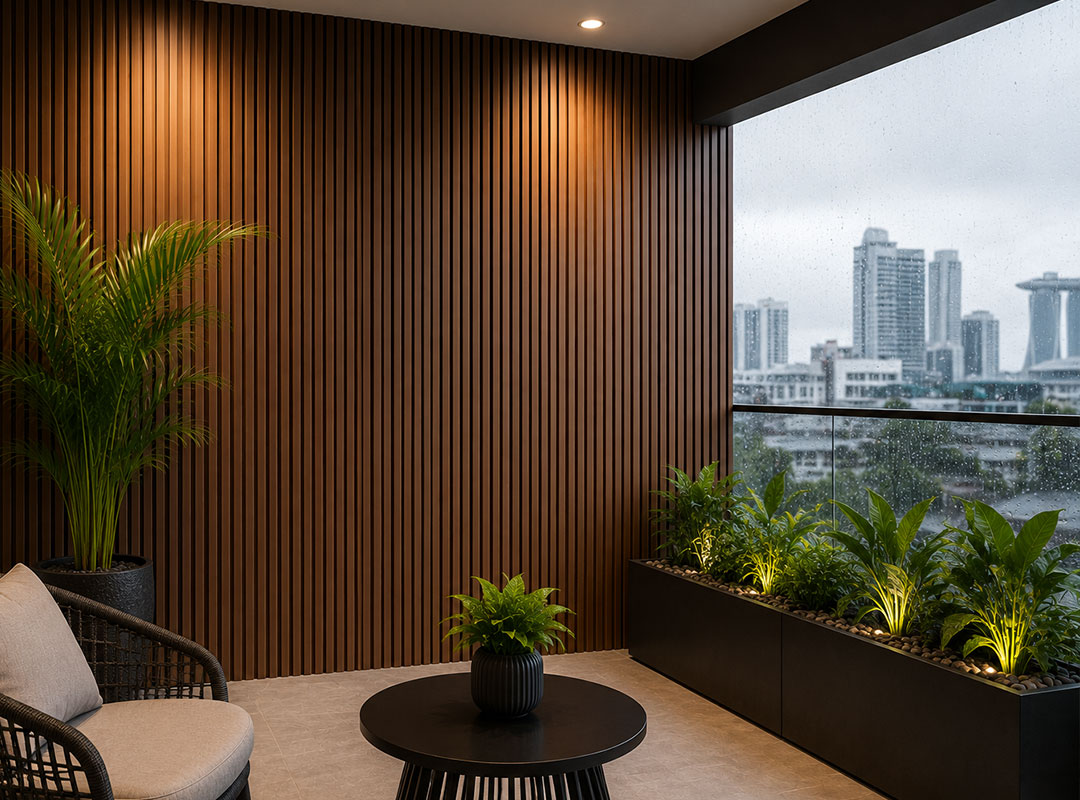
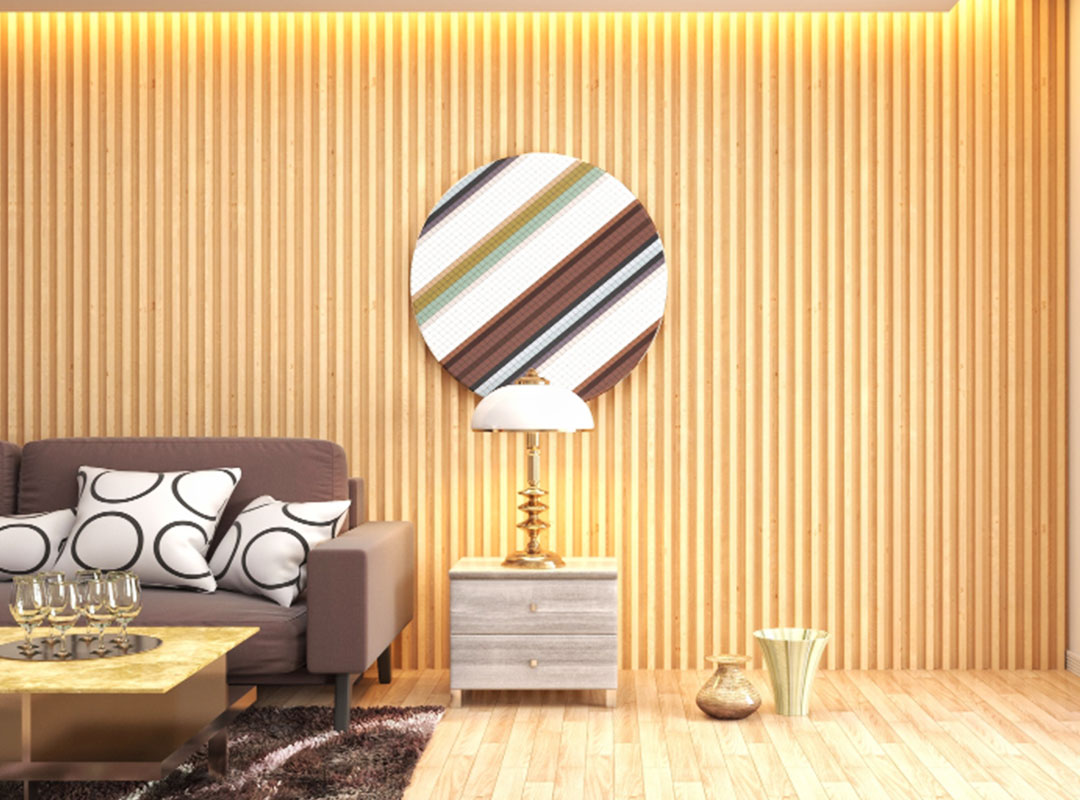
Warm minimalism and modern luxury are often grouped together because both favour clean architecture and carefully selected materials. They are, however, built around different design priorities. Warm minimalism reduces visual excess while introducing natural textures, softer colours and tactile materials. Modern luxury places greater emphasis on architectural presence, refined finishes, stronger contrasts and carefully controlled visual drama.
The distinction becomes important when planning a home because the two approaches affect much more than furniture selection. They influence the treatment of walls, flooring, cabinetry, ceilings, lighting, fabrics and decorative objects. Warm minimalist interior design in Singapore is generally suited to homeowners who want an uncluttered environment that still feels comfortable and lived-in. A more contemporary luxury approach can introduce stronger material contrast and a more formal visual character.
Neither style depends on a particular property size. The better choice comes from understanding how each design language behaves within the architecture and selecting materials accordingly.
1. The Two Styles Begin with Different Design Priorities
Warm minimalism focuses on reduction without creating austerity. Its interiors are usually built around simple forms, natural-looking materials and a restrained selection of objects. Modern luxury works differently. It can also use clean geometry, but it allows richer materials, stronger focal elements and greater contrast between surfaces. Modern luxury interior design in Singapore can therefore appear more dramatic without relying on excessive ornamentation. The difference is essentially one of emphasis: warm minimalism prioritises calm and material simplicity, while modern luxury gives greater attention to refinement, presence and visual impact.
2. Architectural Geometry Creates a Different Mood
The shape of furniture and built-in elements has a significant effect on how either style is perceived. Warm minimalism commonly favours rounded edges, low-profile furniture and uncomplicated architectural forms because softer geometry prevents a pared-back space from appearing harsh. Modern luxury can accommodate sharper profiles, stronger geometric forms and more pronounced architectural lines. This gives the room a more structured character. Warm minimalist interior design in Singapore can therefore feel softer even when the underlying architecture is contemporary, while a modern luxury scheme may deliberately expose stronger lines through cabinetry, furniture and architectural surfaces.
3. Material Contrast Is Used Differently
Both styles can use stone, timber, fabric and metal, but they rarely combine them in the same way. Warm minimalism tends to use materials that feel related in colour and texture, such as timber with linen, stone with plaster-like surfaces or warm neutrals with natural fibres. Modern luxury is more comfortable with deliberate contrast, such as dark timber against stone, polished surfaces alongside matte finishes or metal details against a more muted background. When specifying Wall Panels in Singapore, this difference becomes useful because the panel can either soften the material palette or introduce a stronger contrasting surface depending on the intended style.
4. Warm Minimalism Uses Texture to Replace Ornament
When decoration is limited, texture becomes more important. A wall does not necessarily need artwork, moulding or elaborate accessories if the surface itself provides enough visual interest. Wood grain, textile-inspired surfaces and subtle relief can create variation while keeping the room visually quiet. This is why warm minimalist interior design in Singapore often works well with wall surfaces that have tactile characteristics but relatively controlled patterns. Wonde®’s Wood Grain and Cloth Pattern collections offer different ways of introducing texture while maintaining a restrained overall appearance.
5. Modern Luxury Uses Material Presence More Deliberately
Modern luxury can tolerate a wall surface with greater visual authority because the objective is not always to make the environment disappear into calmness. A marble-inspired surface, strong stone pattern or refined metallic finish can become an important architectural element. The rest of the room can then remain comparatively controlled so the main material retains its impact. Luxury wall panels in Singapore can support this approach by giving a selected wall greater visual depth without requiring decorative objects to create the same effect.
6. Furniture Profiles Help Establish the Style
Furniture often reveals the difference between the two styles more clearly than the walls do. Warm minimalism generally works well with furniture that has simple silhouettes, natural finishes and tactile upholstery. The pieces are comfortable but visually quiet. Modern luxury can accommodate sculptural chairs, statement tables, deep upholstery and more distinctive silhouettes, provided they remain coordinated. Modern luxury interior design in Singapore therefore offers more room for furniture to become part of the visual identity of the interior, whereas warm minimalism normally places greater emphasis on maintaining a calm relationship between individual pieces.
7. The Floor and Wall Should Not Compete
Flooring becomes an important reference surface because it occupies such a large area below the eye line. A heavily patterned floor combined with an equally dominant wall can create unnecessary visual competition. Warm minimalism generally benefits from a quieter relationship between the floor and walls, allowing texture rather than pattern to create interest. Modern luxury can support stronger contrast, but it still requires a clear hierarchy. Wall Panels in Singapore work best when their surface character has been considered alongside flooring rather than selected independently from it.
8. Wall Panels Can Translate Between the Two Styles
Wall panels are not tied to one design language. Their effect changes according to the finish, pattern, colour and surrounding materials. A wood-inspired wall with subtle grain can reinforce the natural character of warm minimalism, while a stone or metallic-inspired surface can contribute to a more contemporary luxury scheme. This flexibility makes Wall Panels in Singapore useful when homeowners want to define a style without rebuilding the entire interior. The same architectural wall can feel entirely different depending on the surface applied to it.
9. Colour Temperature Is More Important Than Colour Quantity
Warm minimalism does not necessarily mean using only beige or cream. Its warmth can come from the temperature and relationship of the colours rather than the number of colours used. Warm whites, muted browns, earthy greens and natural timber tones can all belong to the same palette. Modern luxury may use a similar base but introduce deeper colours such as charcoal, espresso, navy or muted metallic tones for contrast. Warm minimalist interior design in Singapore benefits from keeping the overall palette visually connected, whereas a luxury scheme can use contrast more deliberately to create a stronger sense of depth.
10. Lighting Changes the Personality of Each Style
Warm minimalist interiors usually benefit from lighting that supports the softer quality of the materials. Diffused illumination and warm-toned light can enhance timber, textured fabrics and natural-looking surfaces. Modern luxury can use a broader lighting vocabulary, including architectural lighting, concealed illumination and focused accents that emphasise particular materials. Modern luxury interior design in Singapore can therefore use lighting as part of the architectural expression rather than merely as a way to illuminate furniture and circulation areas.
11. Decorative Objects Have Different Responsibilities
Warm minimalism generally requires fewer decorative objects because the design depends on space, proportion and material texture. The pieces that remain need to have a reason for being there, whether functional, personal or artistic. Modern luxury can accommodate more statement objects, but they still need to relate to the overall composition. A sculptural object, artwork or decorative vase can become an intentional focal element instead of simply filling an empty surface. This makes the surrounding wall treatment important because luxury wall panels in Singapore can provide a controlled background against which selected decorative pieces become more visible.
12. Storage Is Treated as Part of the Design Language
Both approaches benefit from good storage, but their visual treatment can differ. Warm minimalism tends to make storage recede into the architecture, reducing the number of visible compartments and handles. Modern luxury can also conceal storage, but selected cabinetry may become a design feature through richer materials, deeper colours or contrasting finishes. The difference is therefore not whether storage is visible, but how much visual attention it is allowed to receive. This distinction can influence where Wall Panels in Singapore are continued across cabinetry or kept limited to the surrounding wall.
13. Natural Materials Do Not Automatically Mean Warm Minimalism
Timber and stone are frequently associated with warm minimalism, but they are not exclusive to that style. A dark walnut surface combined with marble, glass and metal can create a distinctly luxurious interior. Likewise, a stone-inspired wall can be used in a restrained minimalist room without making it feel formal. Style comes from the relationship between materials rather than from any single material. Warm minimalist interior design in Singapore can therefore include engineered wall surfaces that reproduce natural textures without requiring the entire room to become rustic or traditional.
14. The Level of Contrast Defines Much of the Difference
Contrast can be created through colour, texture, sheen, shape or material. Warm minimalism usually keeps these differences relatively close together so the room feels continuous. Modern luxury is more willing to place opposites beside each other, such as light and dark, smooth and textured, warm and cool or matte and reflective. This creates greater visual tension. Modern luxury interior design in Singapore can use that contrast to give a room a stronger architectural identity without introducing decorative clutter.
15. Wall Panels Can Be Used as a Style-Specific Surface
The wall is one of the easiest areas through which to reinforce the chosen design direction. A wood grain panel with a natural finish can support a warmer minimalist palette, especially when paired with timber furniture and neutral fabrics. A stone-inspired or metallic panel can provide a stronger contemporary statement when combined with darker cabinetry and more sculptural furniture. Luxury wall panels in Singapore can therefore function as a bridge between architecture and decoration, helping the chosen style remain consistent without requiring every element in the room to match.
16. Warm Minimalism Prioritises Everyday Ease
Warm minimalism is particularly suited to homeowners who want their interiors to feel calm and comfortable rather than formal. Its relatively restrained visual language can make everyday objects easier to accommodate because the room is not dependent on constant visual stimulation. Natural textures and simple forms provide enough character without requiring frequent decorative changes. This makes warm minimalist interior design in Singapore useful for homes where long-term comfort is more important than creating a highly stylised first impression.
17. Modern Luxury Places More Emphasis on Arrival and Statement Spaces
A modern luxury interior can use selected spaces to create stronger visual impact. An entrance, formal living area, dining room or entertainment space may receive a more distinctive material treatment than the private areas of the home. This creates a progression through the residence instead of giving every room equal visual intensity. Modern luxury interior design in Singapore can therefore work particularly well when homeowners want a combination of everyday functionality and carefully selected statement spaces.
18. Wonde® Surfaces Can Support Either Design Direction
Wonde® offers decorative wall-panel collections covering wood-inspired, stone-inspired, metallic, cloth-pattern, solid-colour and fluted surfaces. This variety allows the same underlying wall-panel system to support very different interior concepts. A natural wood surface can complement a softer minimalist scheme, while a refined stone or metallic finish can contribute to a contemporary luxury interior. The choice of Wall Panels in Singapore should therefore be based on the desired visual language, not simply on the popularity of a particular finish.
19. Consider How the Style Will Age
A design that looks impressive immediately after completion may become difficult to live with when personal belongings, changing furniture and everyday use enter the picture. Warm minimalism offers considerable flexibility because its simpler material language can accommodate changes without requiring a complete redesign. Modern luxury can also remain timeless when its stronger elements are architectural rather than trend-driven. The key is choosing materials that can continue to work with future changes. Luxury wall panels in Singapore can contribute to this longevity when the chosen finish has a clear relationship with the home’s permanent architecture.
20. The Two Styles Can Also Be Combined
The choice does not have to be completely binary. A home can use warm minimalist principles throughout its everyday spaces while introducing modern luxury in selected areas. A living room may use warm timber-inspired walls and soft furnishings, while the dining area introduces a more dramatic stone surface. The result can retain the comfort of minimalism while incorporating moments of visual richness. In this type of scheme, modern luxury interior design in Singapore becomes an accent within a broader residential language rather than the treatment of every room.
Choosing the Right Direction for Your Home
The most useful way to choose between these styles is to consider how you want the home to feel on an ordinary day. Warm minimalism is built around visual calm, tactile materials, uncomplicated forms and fewer competing elements. Modern luxury introduces greater contrast, stronger materials and more deliberate statement areas.
The architecture of the home should also be considered. A space with generous natural materials and simple proportions may lend itself naturally to a warm minimalist approach, while an interior with dramatic architectural features may support a stronger luxury language. Neither style depends on having a large home. The wall treatment should follow the same logic. Wall Panels in Singapore can either soften the interior through timber-inspired and textile-inspired textures or strengthen it through stone, metallic and other more pronounced surfaces.
Warm minimalism and modern luxury are not simply two colour schemes. They represent different approaches to how a home should look, feel and function. Warm minimalism reduces visual complexity while using texture, natural-looking materials and comfortable forms to prevent the space from becoming cold. Modern luxury allows greater material contrast and stronger architectural expression while maintaining contemporary clarity.
For homeowners planning warm minimalist interior design in Singapore, the emphasis should be on creating a calm environment where material quality is experienced through texture and proportion rather than decoration. Those considering modern luxury interior design in Singapore can explore stronger surfaces, richer contrast and carefully selected statement areas without turning every room into a showcase.
Wonde® wall-panel collections provide the flexibility to work with either direction. The right choice ultimately depends on the atmosphere, architecture and level of visual expression that feels appropriate for the home. A successful interior does not need to follow a trend completely. It needs a clear design language that remains practical, coherent and comfortable to live with.