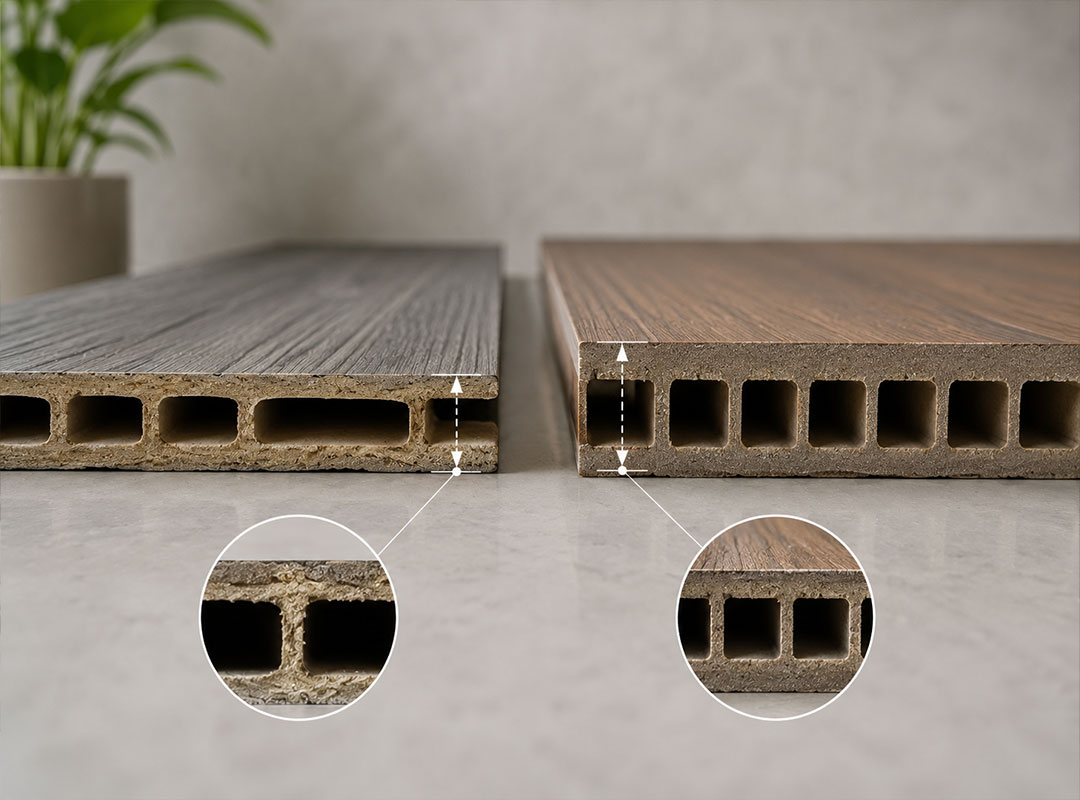
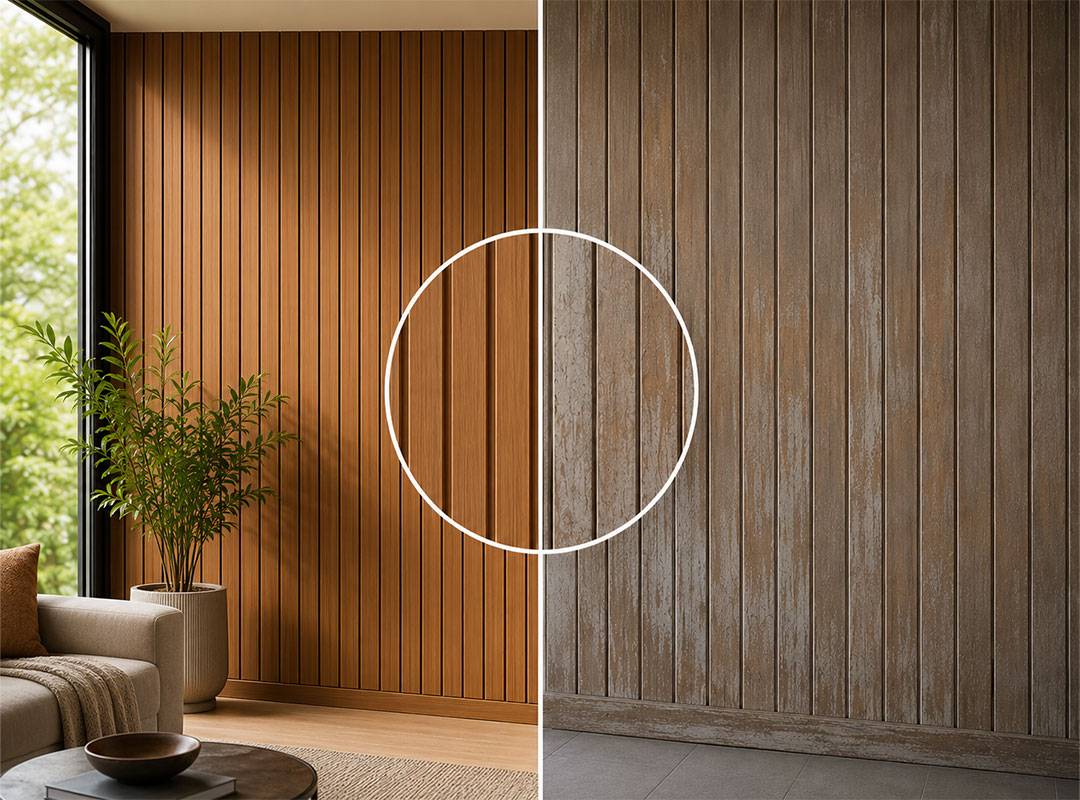
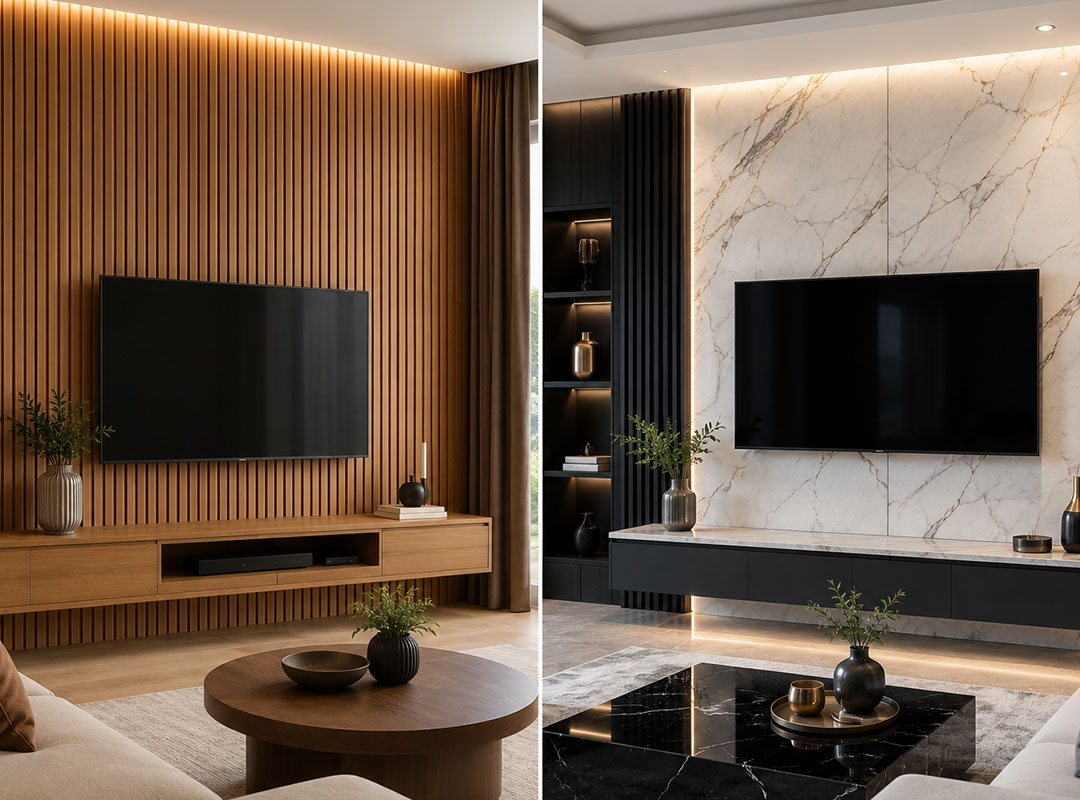
Wall finishes have evolved far beyond paint and wallpaper. Today, wall panels are an integral part of interior architecture because they combine aesthetics with functionality. A well-designed wall panel can improve acoustic comfort, protect surfaces from daily wear, simplify maintenance, and contribute to the overall performance of an interior space.
However, there is no single panel that works everywhere. A living room requires materials that create architectural impact, while bedrooms demand acoustic comfort and hallways need surfaces that can withstand constant contact. Moisture-prone spaces require superior dimensional stability, and entertainment rooms benefit from sound-absorbing materials. This is why modern wall panel systems are available in multiple formats, including fluted panels, WPC wall panels, wood veneer panels, acoustic panels, and decorative composite panels.
For homeowners wondering how to choose wall panels for your home, the answer lies in understanding the functional demands of each room. The best wall panels for different rooms are those that balance aesthetics with performance, ensuring that materials not only look good but also perform efficiently over time. At Wonde®, this principle drives the development of wall panel solutions that combine design flexibility with long-term durability for modern residential interiors.
Quick Guide: Recommended Wall Panels for Every Space
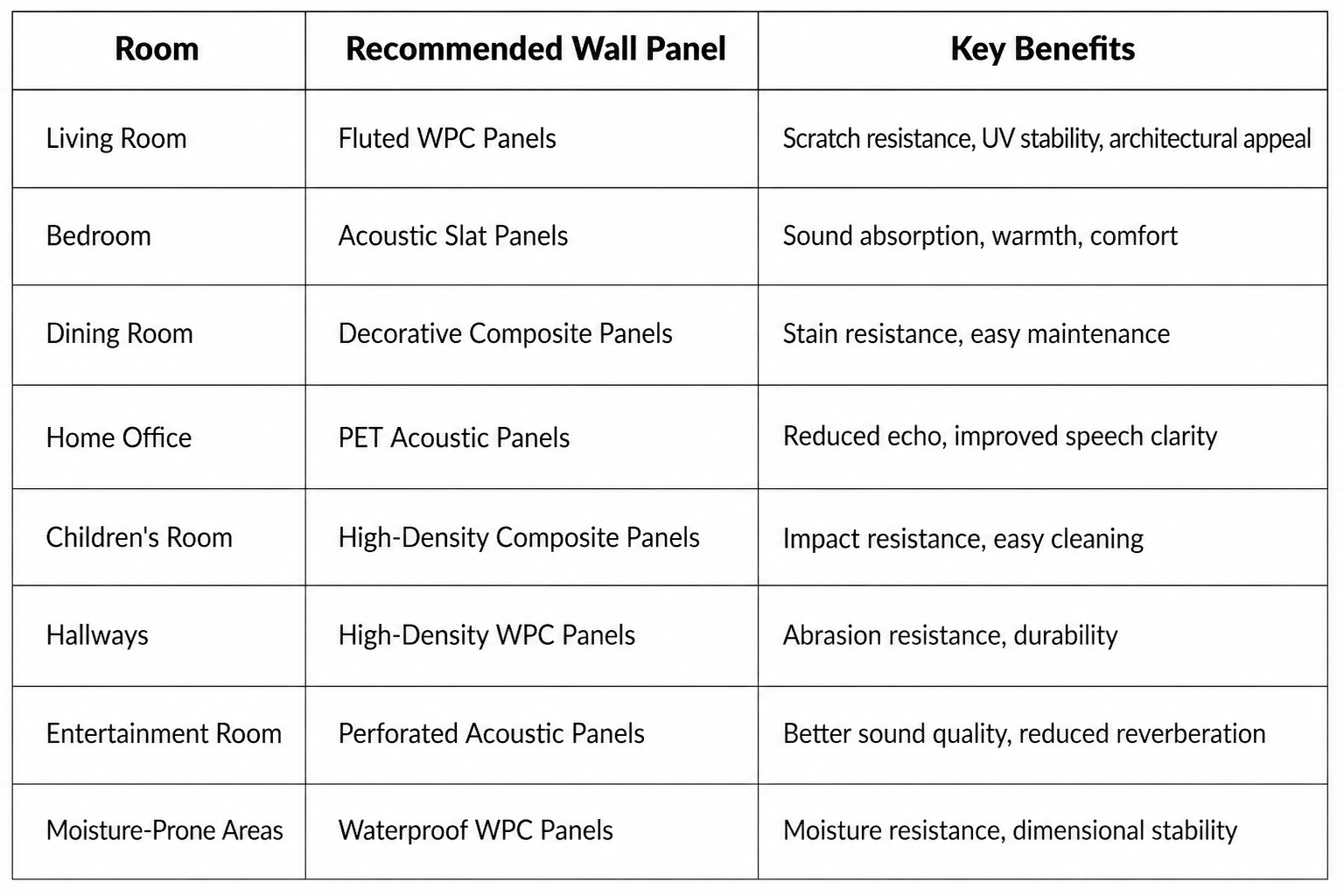
Wonde® offers a comprehensive range of decorative, fluted, acoustic, and WPC wall panels that allow homeowners and designers to select materials according to the specific performance requirements of each room rather than relying on a one-size-fits-all solution.
1. Living Room: Establish Architectural Presence
The living room is often the most frequently used and visually prominent area of a home. Decorative wall panels with fluted profiles, natural wood textures, and three-dimensional finishes are ideal because they introduce depth and material character without requiring structural alterations. Among the most popular wall panel ideas for every room, fluted feature walls remain a preferred choice because they create strong focal points and define the overall design language of the space. High-density WPC wall panels are particularly suitable because they resist scratches, maintain colour stability under prolonged sunlight exposure, and require very little maintenance.
2. Bedroom: Prioritise Comfort and Acoustic Performance
Bedrooms should promote relaxation and privacy. Acoustic wall panels and timber-inspired finishes help absorb sound reflections and establish a quieter environment. Depending on the material and installation method, acoustic panels can reduce reverberation by up to 50 to 70 per cent, improving overall acoustic comfort. PET acoustic panels and slatted wood veneer systems installed behind the bed also function as statement headboards while delivering practical sound control. When considering how to choose wall panels for your home, bedrooms should be prioritised for comfort, acoustic performance, and indoor air quality rather than purely decorative appeal.
3. Dining Room: Select Materials That Simplify Maintenance
Dining areas require surfaces that combine elegance with practicality. Decorative composite panels with protective coatings resist fingerprints, food stains, and routine cleaning chemicals, making them suitable for spaces used every day. Wood-inspired finishes and subtle textures add warmth and spatial definition without making the room feel visually heavy. Low-sheen surfaces are particularly effective because they minimise glare from pendant lighting and maintain a sophisticated appearance.
4. Home Office: Improve Productivity Through Better Acoustics
A productive workspace demands more than good lighting and comfortable furniture. Acoustic control directly affects concentration and communication. PET acoustic panels and slatted acoustic systems absorb mid and high-frequency sounds, reducing echo and improving speech clarity during virtual meetings. Neutral finishes and linear profiles reinforce a professional atmosphere while ensuring that the room remains visually calm and organised.
5. Children’s Bedroom: Focus on Safety and Durability
Children’s spaces experience constant activity and require materials that can withstand daily wear. High-density composite wall panels with durable protective surfaces resist scratches, dents, and stains while simplifying maintenance. Smooth finishes and rounded profiles minimise safety concerns, and low-VOC materials contribute to healthier indoor environments. Durability is particularly important because it reduces the need for frequent repairs and replacements over the lifespan of the room.
6. Master Bedroom Feature Wall: Introduce Texture and Warmth
Feature walls should introduce material richness without overwhelming the room. Fluted wall panels and wood veneer panels create textural depth through shadow lines and natural grain patterns. Vertical installations can also make ceilings appear taller and the room feel more spacious. Coordinating panel finishes with furniture materials and flooring establishes a balanced and cohesive design while adding a sense of refinement.
7. Hallways and Corridors: Specify Materials Built for High Traffic
Corridors are subjected to frequent contact from luggage, furniture, and everyday movement. High-density composite panels and WPC wall panels perform exceptionally well in these areas because they offer superior abrasion resistance and excellent dimensional stability. Darker finishes can conceal minor scuffs, while vertically oriented panels visually elongate narrow spaces. Materials selected for circulation zones should prioritise long-term durability over purely decorative considerations.
8. Entryway and Foyer: Make a Lasting First Impression
The entrance establishes the identity of the entire home. Decorative wall panels with timber textures, stone-inspired finishes, or linear grooves immediately introduce a sense of sophistication. Since entryways are regularly exposed to dust, moisture, and changing temperatures, surfaces with water-resistant properties and easy-clean finishes offer better long-term performance. This area demonstrates that the best wall panels for different rooms are determined by functional requirements as much as by design preferences.
9. Entertainment Room: Invest in Acoustic Solutions
Sound quality is one of the defining elements of a media room. Acoustic wall panels and perforated acoustic systems reduce reverberation and control unwanted reflections, significantly improving listening experiences. These systems also reduce sound transfer to neighbouring spaces, enhancing overall residential comfort. Among all wall panel ideas for every room, dedicated acoustic panels provide one of the clearest examples of materials being selected for performance rather than appearance alone.
10. Guest Bedroom: Balance Style with Low Maintenance
Guest rooms benefit from materials that remain attractive with minimal upkeep. Wood-look wall panels and decorative composite systems create a premium atmosphere without requiring intensive maintenance. Neutral finishes remain versatile and complement a wide range of interior styles, making them particularly suitable for spaces that accommodate different users over time.
11. Walk-In Wardrobe: Enhance Material Continuity
A dressing area should feel like a natural extension of the bedroom. Wall panels can visually connect wardrobes, vanity units, and surrounding walls while introducing warmth and texture. Timber-inspired finishes and fluted surfaces add depth without overwhelming compact spaces, while light-reflective surfaces help improve brightness and create a greater sense of openness.
12. Small Rooms: Use Panels to Influence Spatial Perception
Wall panels can significantly influence how a room feels. Vertical lines draw attention upward and make ceilings appear higher, while horizontal patterns can visually widen narrow spaces. Light-coloured panels increase brightness and create the perception of larger interiors. These principles represent some of the most effective wall panel ideas for every room, particularly when the objective is to improve spatial proportions without structural modifications.
13. Moisture-Prone Areas: Prioritise Water Resistance
Environmental conditions have a direct impact on material performance. Areas exposed to humidity require wall panels with excellent moisture resistance and dimensional stability. WPC wall panels are particularly effective because they resist swelling, warping, and deterioration caused by fluctuating environmental conditions. Compared with natural timber, WPC materials provide superior moisture resistance and require considerably less maintenance, making them an increasingly popular choice for modern residential interiors.
14. High-Traffic Spaces: Focus on Surface Performance
Staircases, family rooms, and connecting areas require surfaces capable of withstanding constant use. Scratch-resistant coatings, impact-resistant cores, and stain-resistant finishes ensure that wall panels retain their appearance despite repeated contact. Evaluating wear resistance alongside aesthetics is essential when selecting materials for frequently occupied spaces.
15. Fire Safety and Indoor Air Quality Matter
Performance requirements extend beyond appearance. Modern wall panels should comply with recognised fire performance standards and contribute to healthier indoor environments. Fire-rated panel systems provide additional protection by limiting flame spread and reducing smoke generation, while low-VOC materials improve indoor air quality by minimising chemical emissions. These technical characteristics are becoming increasingly important considerations in residential design and material specification.
16. Installation Quality Determines Long-Term Performance
Even the highest-performing materials can fail if they are installed incorrectly. Factors such as substrate preparation, expansion allowances, panel thickness, and fixing methods all influence long-term durability. Concealed installation systems often provide cleaner aesthetics while simplifying future maintenance and replacement. Installation requirements are therefore a critical aspect of how to choose wall panels for your home, as they directly affect both performance and lifespan.
17. Sustainability Is Becoming a Major Selection Factor
Modern homeowners and designers are increasingly prioritising environmentally responsible materials. Engineered wall panels manufactured from recyclable components or responsibly sourced raw materials contribute to more sustainable interiors. Durable products also reduce replacement frequency and lower lifecycle costs, making sustainability a practical consideration as well as an environmental one. At Wonde®, the focus on durable and low-maintenance materials supports the growing demand for interior solutions that combine longevity with responsible material selection.
18. Maintain Design Consistency Throughout the Home
Every room has unique functional requirements, but the home should still feel visually connected. Coordinating finishes, textures, and profiles across different spaces creates design continuity and prevents interiors from feeling fragmented. Modern wall panel collections make it possible to specify different performance characteristics while maintaining a consistent material language throughout the home.
There is no universal wall panel suitable for every space. A living room may require a statement feature wall, while bedrooms benefit from acoustic comfort and hallways demand exceptional durability. Selecting the best wall panels for different rooms therefore requires balancing aesthetics with technical performance and understanding the unique requirements of each area.
Knowing how to choose wall panels for your home means evaluating factors such as moisture resistance, acoustic performance, durability, maintenance, and installation requirements before making a decision. The most effective wall panel ideas for every room are those that combine visual appeal with materials engineered for specific applications.
At Wonde®, wall panels are viewed as more than decorative surfaces. They are functional architectural elements designed to improve how interiors look, perform, and endure over time. By selecting materials according to the demands of each space, homeowners and designers can create interiors that are sophisticated, practical, and built to last.