Singapore’s climate creates constant pressure on building materials. High humidity, frequent rainfall, intense heat, and limited ventilation in many urban spaces can quickly affect the durability and appearance of conventional wall finishes. Materials that perform well in dry climates often struggle in tropical conditions, leading to issues such as swelling, mold growth, peeling surfaces, warping, and structural deterioration.
Because of these conditions, material selection in Singapore is not only about aesthetics. Long-term resistance to moisture, low maintenance requirements, and durability are equally important. This is one of the key reasons WPC Wall Panels in Singapore have become increasingly popular across residential, commercial, and hospitality projects.
WPC, or Wood Plastic Composite, is engineered using a blend of wood fibers and thermoplastics to create panels that combine the appearance of natural wood with enhanced structural performance. Unlike traditional timber-based materials, Wood Plastic Composite Wall Panels are specifically designed to withstand environmental stress caused by humidity and moisture exposure.
Their ability to maintain appearance and functionality in tropical conditions makes Humidity Resistant Wall Panels highly suitable for Singapore’s built environment.
1. Strong Resistance to Moisture
Humidity is one of the biggest challenges for interior and exterior wall materials in Singapore. Traditional wood absorbs moisture from the air, which eventually causes swelling, bending, and surface damage. Over time, this weakens the material and affects its appearance.
WPC Wall Panels in Singapore are engineered to resist moisture absorption far more effectively than natural wood. Their composite structure limits water penetration and helps maintain structural consistency even in humid environments. This makes them suitable for spaces where moisture exposure is unavoidable, including living rooms, balconies, commercial interiors, covered outdoor areas, and corridors with limited ventilation.
2. Reduced Risk of Mold and Mildew
Constant humidity creates favorable conditions for mold and mildew growth, especially on porous materials. Mold not only affects aesthetics but can also create hygiene and maintenance concerns in residential and commercial spaces.
Humidity Resistant Wall Panels have a less porous surface compared to traditional timber, which helps reduce moisture retention. This minimizes the likelihood of fungal growth and staining over time. In environments where cleanliness and indoor appearance are important, such as offices, retail stores, restaurants, and homes, this becomes a major advantage.
3. Excellent Dimensional Stability
Materials exposed to changing temperatures and humidity levels tend to expand and contract repeatedly. This movement can lead to gaps, uneven surfaces, weakened joints, and visible deformation.
Wood Plastic Composite Wall Panels offer strong dimensional stability because of their engineered composition. They are designed to remain structurally consistent even when exposed to tropical weather conditions. This stability helps preserve installation quality and ensures the panels maintain a clean and uniform appearance over the long term.
4. Long Service Life
Frequent maintenance and material replacement can significantly increase long-term property costs. In Singapore’s climate, materials that deteriorate quickly become expensive to maintain.
WPC Wall Panels in Singapore are built for durability. They resist common environmental problems such as moisture damage, surface cracking, and weather-related deterioration. Their long lifespan makes them a practical solution for both homeowners and commercial property owners looking for reliable wall materials that continue performing well over time.
This durability is particularly valuable in high-traffic environments where surfaces are exposed to continuous daily use.
5. Resistance to Termites and Insects
Singapore’s warm climate creates favorable conditions for termites and wood-boring insects. Natural timber surfaces often require regular chemical treatment to prevent pest damage, which adds to maintenance costs.
Wood Plastic Composite Wall Panels are far less vulnerable to termite attacks because they are not made from pure wood. Their composite structure reduces the risk of infestation and helps maintain the integrity of the panels over time. This makes them a safer and more reliable alternative for projects where long-term material protection is important.
6. Minimal Maintenance Requirements
Many conventional wall materials require regular repainting, polishing, sealing, or repairs due to humidity-related wear. This ongoing upkeep increases both maintenance costs and effort.
Humidity Resistant Wall Panels require very little maintenance. Routine cleaning is generally enough to keep the panels in good condition. They do not need sanding, repainting, or surface refinishing to maintain their appearance. This low-maintenance characteristic is especially useful in commercial environments where operational efficiency matters.
For homeowners, it also reduces the time and cost associated with long-term upkeep.
7. Suitable for Modern Interior Design
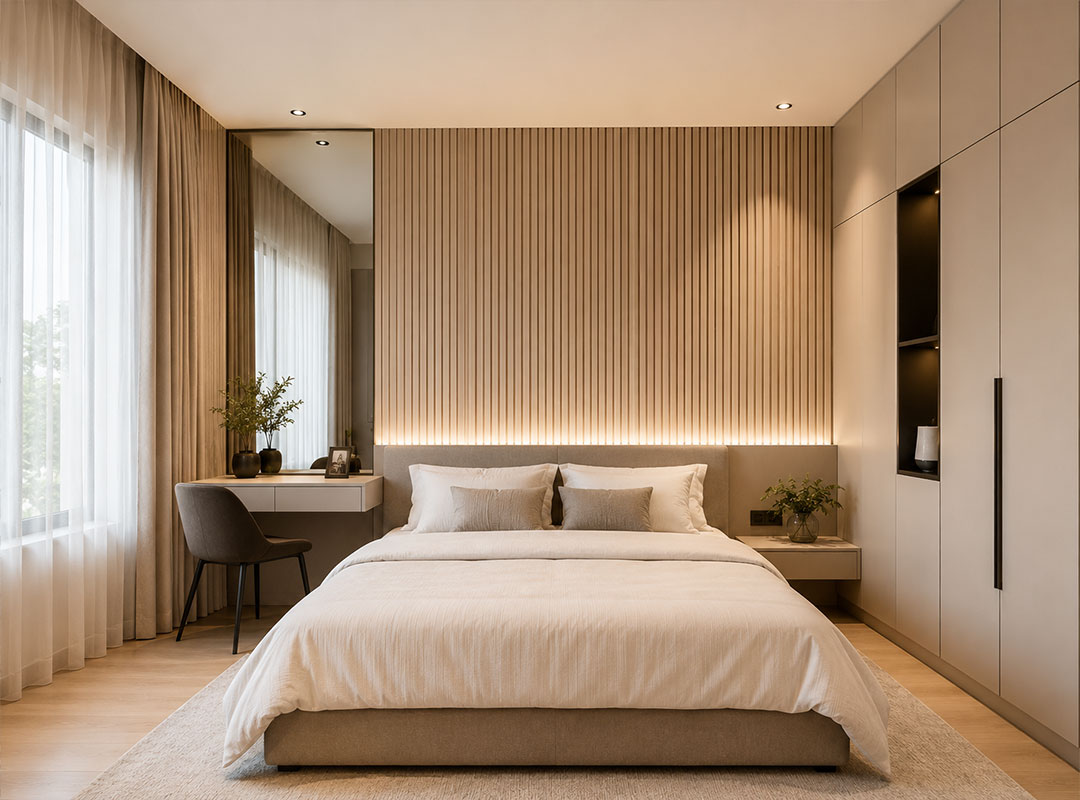
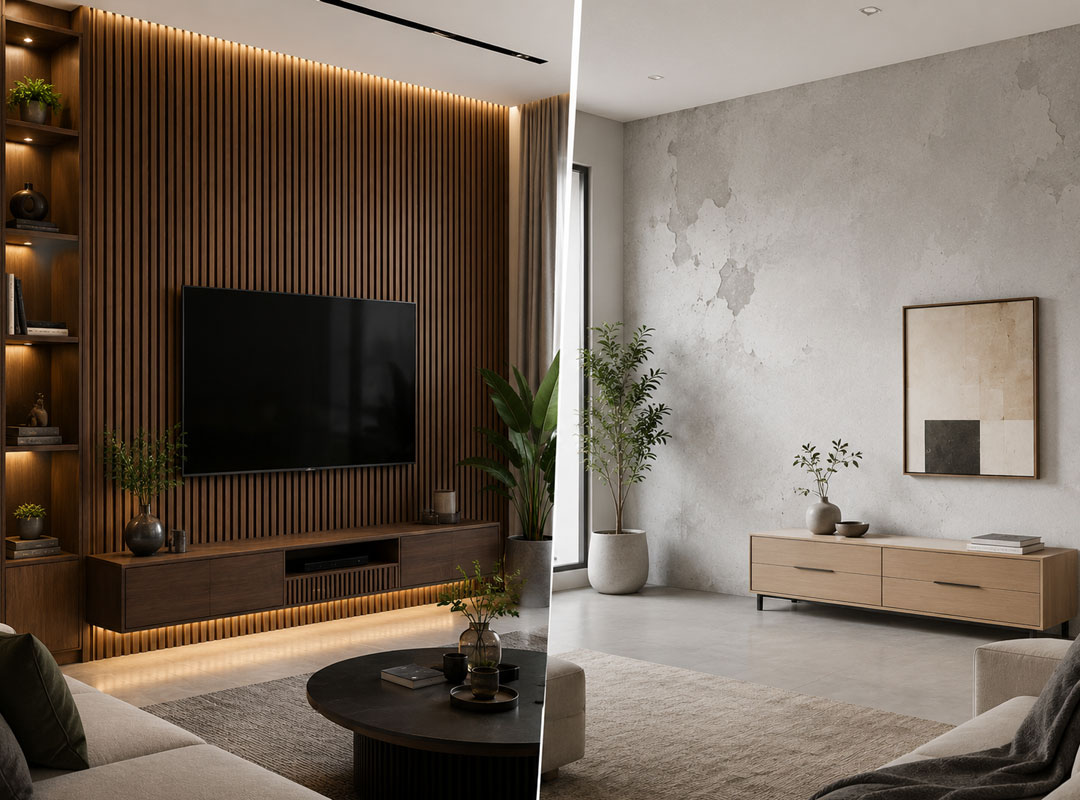
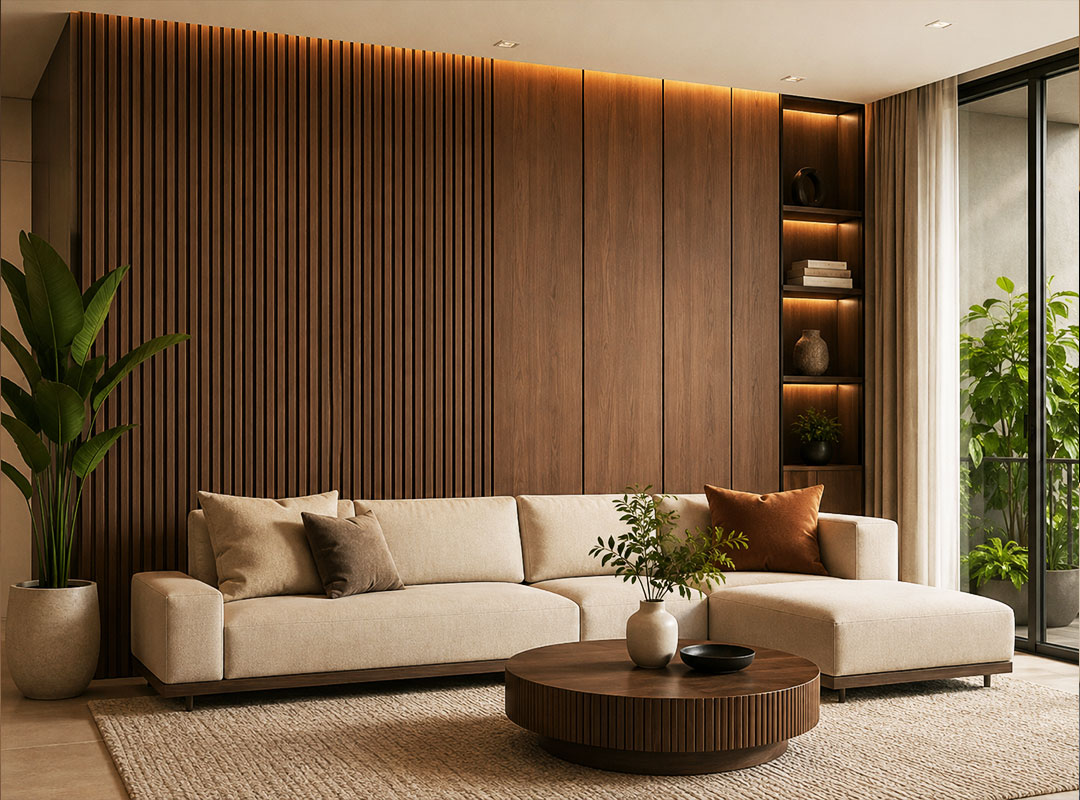
Contemporary interiors in Singapore increasingly focus on clean lines, textured finishes, and natural aesthetics. WPC Wall Panels in Singapore provide the visual warmth of wood while offering a more uniform and refined finish.
Available in various colors, grains, and textures, they can complement different design styles including minimalist, luxury, Scandinavian, industrial, and modern Asian interiors. Their sleek appearance allows designers to create feature walls and decorative surfaces that look premium without introducing the maintenance concerns associated with natural timber.
8. Efficient Installation Process
Construction and renovation efficiency is important in Singapore due to labor costs and project timelines. Materials that simplify installation can significantly improve overall project execution.
Wood Plastic Composite Wall Panels are lightweight and designed for relatively fast installation compared to many traditional cladding materials. Their installation systems help reduce labor complexity and site disruption, making them practical for both new developments and renovation projects.
Faster installation also helps reduce downtime in commercial spaces where prolonged renovation periods can affect business operations.
9. Suitable for Interior and Semi-Outdoor Spaces
Singapore architecture often incorporates semi-outdoor environments such as balconies, covered terraces, and transition spaces between indoor and outdoor areas. Materials used in these zones must be able to tolerate humidity and changing weather conditions.
Humidity Resistant Wall Panels perform effectively in these environments because they are designed to handle moisture exposure more efficiently than conventional wood products. This makes them suitable for decorative walls in covered outdoor spaces where aesthetics and durability are equally important.
Their versatility allows them to be used across multiple applications without compromising performance.
10. Cleaner and More Consistent Finish
Natural timber often contains inconsistencies in grain, color variation, and surface texture. While some projects prefer this raw appearance, many modern interiors require a more controlled and consistent finish.
WPC Wall Panels in Singapore provide a cleaner and more uniform look while still maintaining the visual appeal of wood textures. This consistency is particularly useful in commercial environments where design precision and visual continuity are important.
The panels also retain their finish more effectively under humid conditions, helping interiors maintain a polished appearance over time.
11. Better Cost Efficiency Over Time
While initial material selection is important, long-term ownership costs are equally critical. Materials that require frequent maintenance, repairs, or replacement often become more expensive over their lifespan.
Wood Plastic Composite Wall Panels offer better long-term cost efficiency because they combine durability with low maintenance requirements. Reduced repair needs, lower upkeep costs, and extended usability contribute to stronger overall value.
For commercial projects, this translates into lower operational maintenance expenses. For residential properties, it reduces recurring renovation costs over the years.
12. Environmentally Responsible Material Option
Sustainability has become an important factor in modern construction and interior design. Many Humidity Resistant Wall Panels are manufactured using recycled wood fibers and recycled plastics, helping reduce material waste and dependence on natural timber.
Their long lifespan also contributes to sustainability by reducing replacement frequency. Compared to materials that deteriorate quickly in humid conditions, durable alternatives like WPC support more resource-efficient construction practices.
For environmentally conscious property owners and developers, this makes WPC panels a more responsible material choice.
13. Fire Retardant Variants Available
Safety remains an important consideration in residential and commercial developments. Certain WPC Wall Panels in Singapore are available with fire-retardant properties to support project safety requirements.
This provides additional flexibility for architects, contractors, and developers working on projects where compliance with fire performance standards is necessary. Choosing certified WPC systems from established suppliers ensures both design quality and reliable material performance.
14. Well Suited for Singapore’s Urban Environment
Singapore’s urban properties demand materials that are durable, visually appealing, space-efficient, and easy to maintain. Wood Plastic Composite Wall Panels align closely with these requirements because they combine modern aesthetics with practical long-term performance.
Their resistance to humidity-related damage, low maintenance needs, and adaptability across different applications make them highly suitable for condominiums, offices, retail spaces, restaurants, and hospitality environments.
As property owners increasingly prioritize materials that can withstand tropical conditions without compromising appearance, Humidity Resistant Wall Panels continue to stand out as a practical and reliable solution.
Singapore’s climate requires wall materials that can handle constant humidity and environmental stress without rapid deterioration. Conventional materials often struggle under these conditions, leading to higher maintenance demands and shorter lifespans.
WPC Wall Panels in Singapore address these challenges through moisture resistance, structural stability, durability, termite resistance, and low maintenance requirements. In addition to strong performance, they also offer modern aesthetics, efficient installation, and long-term cost benefits.
For residential and commercial projects in Singapore, Wood Plastic Composite Wall Panels provide a balanced solution that combines functionality, durability, and contemporary design. Their ability to perform consistently in humid tropical conditions is one of the main reasons Humidity Resistant Wall Panels continue gaining popularity across modern architectural and interior applications.