Interior design is no longer just about furniture placement and colour palettes. Walls now play a defining role in shaping the identity of a space. One of the most effective ways to transform interiors is through wall panels, particularly when the finish is thoughtfully selected to complement the overall design direction. Understanding the best wall panel finish for interiors is no longer limited to designers alone, as homeowners and commercial developers are now paying greater attention to material selection.
The finish of a wall panel affects far more than appearance. It influences how light interacts with the room, how spacious the environment feels, how luxurious the space appears, and even how practical the wall remains over time. A matte walnut fluted panel creates a completely different atmosphere from a metallic-textured wall panel or a stone-inspired surface. The wrong finish can disrupt visual harmony, while the right one elevates the entire interior. This is exactly why understanding how to choose wall panel finishes has become an important part of modern interior planning. Modern wall panel systems now offer extensive design flexibility, including wood grain, metallic, stone, linen-textured, solid colour, and fluted finishes. Brands such as Wonde® have expanded the possibilities for contemporary interiors by offering durable WPC wall panels and decorative surface finishes suited for residential and commercial spaces alike. These evolving options have also increased the demand for wall panel finishes for modern interiors that combine aesthetics with durability.
1. Why Wall Panel Finish Matters More Than Most People Think
Many homeowners focus heavily on furniture and lighting but underestimate the visual weight of walls. Since walls occupy a large percentage of visible space, their texture and finish establish the room’s foundational character long before decorative elements are introduced. The wall surface becomes the backdrop that either supports or weakens the entire interior concept. Selecting the best wall panel finish for interiors requires careful consideration because walls influence the mood of a room more than most people realise. A glossy panel reflects light sharply and creates a sleek, modern atmosphere, whereas a textured wood grain introduces warmth and softness. Stone-inspired finishes communicate luxury and permanence, while linen-textured surfaces create a quieter and more refined ambience. Even when the colour palette remains the same, changing the finish alone can dramatically alter how a room feels emotionally and visually.
Wall panel finishes also affect practical aspects of the space. Certain finishes make rooms feel larger by reflecting more light, while darker matte textures can create intimacy and depth in oversized interiors. Some textured panels improve acoustic comfort, making them suitable for offices, bedrooms, and entertainment spaces. Others are designed specifically for durability and moisture resistance, making them ideal for humid environments. Choosing a wall panel finish purely because it is trending often results in interiors that feel disconnected after a few years. A better approach is selecting finishes that align with the architectural language, furniture style, lighting conditions, and intended mood of the space. For anyone researching how to choose wall panel finishes, focusing on long-term compatibility with the overall interior style is far more important than following short-lived design trends.
2. Understanding the Most Popular Wall Panel Finishes
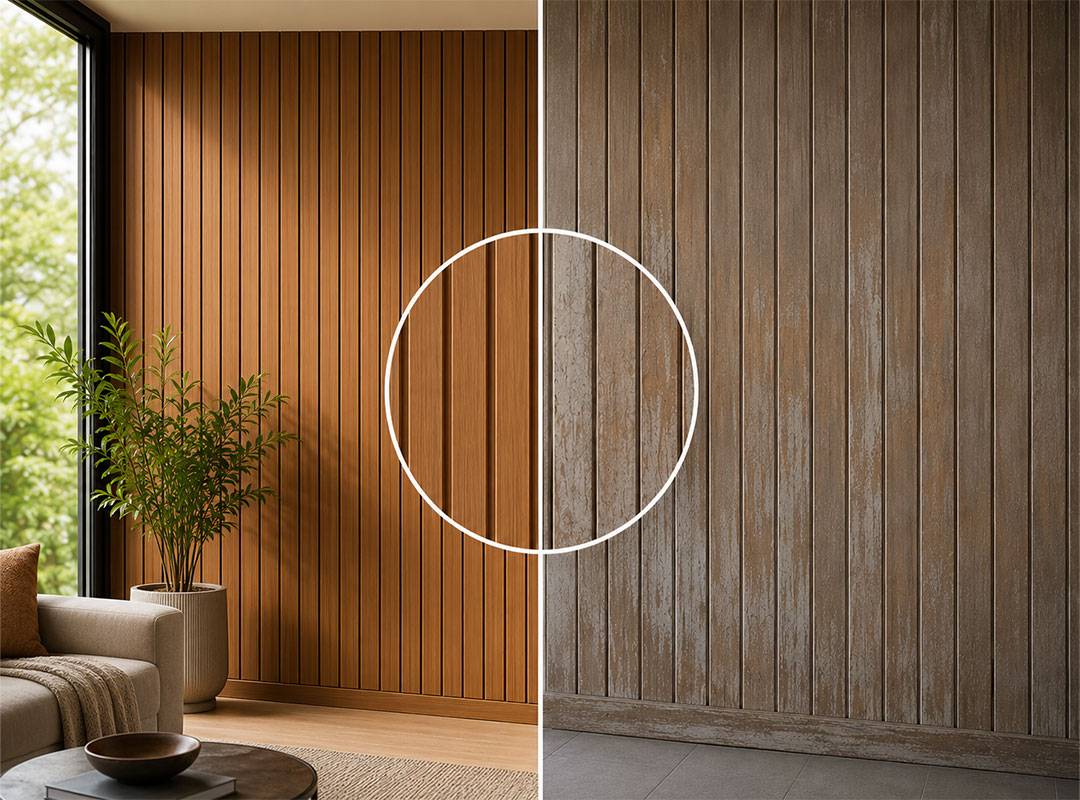
Wood grain finishes remain among the most versatile options in modern interior design because they add natural warmth without making interiors appear overly decorative. Light oak, ash, and maple finishes are commonly used in Scandinavian-inspired spaces where brightness and simplicity are prioritised. Dark walnut and teak finishes, on the other hand, introduce richness and sophistication often associated with luxury residences, premium hospitality projects, and executive interiors. Wood textures work exceptionally well because they soften contemporary spaces while still maintaining a clean and modern appearance. They are also widely considered among the best wall panel finish for interiors focused on warmth and timeless appeal.
Stone-inspired finishes are increasingly popular for feature walls because they create architectural presence and visual weight. Marble-look panels communicate luxury, while concrete and travertine textures introduce depth and subtle rawness. Unlike natural stone, modern decorative wall panels achieve a similar visual impact with easier installation and significantly lower maintenance requirements. These finishes are especially effective in TV feature walls, reception spaces, dining areas, hotel lobbies, and luxury bathrooms where a stronger visual statement is desired. Metallic finishes bring a distinctly contemporary and urban character to interiors. Brushed bronze, graphite, champagne gold, and titanium textures create subtle reflections that add sophistication without becoming visually excessive. Metallic finishes are often used in commercial interiors, retail boutiques, modern office spaces, and luxury condominiums because they create a sleek and premium atmosphere. However, they work best when balanced with softer materials such as wood, fabric, or matte textures to prevent the space from feeling cold or overly industrial. This balance is one of the most important principles in wall panel finishes for modern interiors.
Fabric-inspired and linen-textured wall panels have gained popularity because they introduce understated texture without overwhelming the interior visually. These finishes create softer and calmer environments, making them highly suitable for bedrooms, executive offices, meeting rooms, and hospitality suites. Unlike heavily patterned surfaces, linen textures add refinement through subtle detailing rather than dramatic contrast. Minimalist interiors often rely on solid-colour matte finishes because they create uninterrupted visual flow. Matte surfaces diffuse light gently and reduce glare, which contributes to a more sophisticated and calming atmosphere. Neutral shades such as greige, taupe, warm white, sand, and charcoal dominate contemporary interiors because they maintain timeless appeal even as design trends evolve. These understated surfaces continue to dominate discussions around wall panel finishes for modern interiors because of their flexibility and clean aesthetic.
3. Matching Wall Panel Finishes to Interior Design Styles
Scandinavian interiors prioritise simplicity, functionality, and natural warmth. In these spaces, wall panel finishes should support brightness and softness rather than dominate visually. Light oak wood grain, ash textures, pale matte surfaces, and subtle beige linen finishes work exceptionally well because they maintain an airy and relaxed environment. Fluted wall panels in light timber tones are especially effective because they introduce texture while preserving visual calmness. Highly reflective surfaces or dramatic dark textures generally feel out of place in Scandinavian spaces because they disrupt the understated balance the style is known for.
Japandi interiors combine Japanese minimalism with Scandinavian comfort, creating spaces that feel grounded, intentional, and warm. Wall panel finishes for Japandi interiors should emphasise natural textures and muted tones rather than decorative complexity. Smoked oak, walnut wood grain, earthy matte surfaces, and soft linen-inspired textures all work beautifully within this style. Vertical fluted panels are commonly used because they create rhythm and depth without excessive ornamentation. In Japandi spaces, texture matters more than visual boldness, which is why glossy or metallic finishes often feel disconnected from the overall aesthetic. Homeowners exploring how to choose wall panel finishes for calming interiors often gravitate towards Japandi-inspired materials.
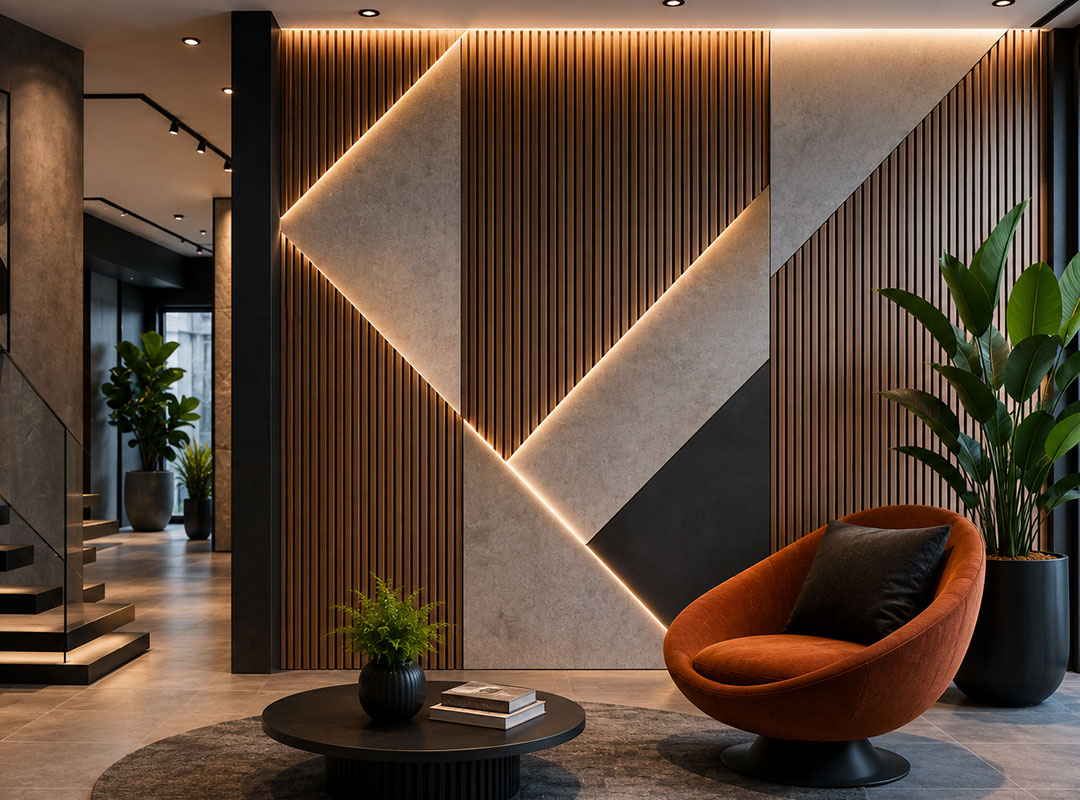
Modern contemporary interiors offer greater flexibility and allow for stronger contrasts in material selection. These spaces frequently combine walnut wood grain, charcoal matte surfaces, metallic textures, and stone-inspired finishes to create layered visual depth. A stone-look TV feature wall paired with walnut fluted dining panels and matte charcoal entrance finishes can create a sophisticated environment without making the design feel repetitive. Contemporary interiors benefit from thoughtful combinations of textures that complement one another rather than competing for attention. These combinations represent some of the most successful examples of wall panel finishes for modern interiors. Industrial interiors embrace rawness, texture, and urban-inspired materials. Concrete-look finishes, weathered wood grain, dark metallic surfaces, and graphite matte panels work particularly well because they reinforce the industrial design language. These finishes pair naturally with exposed lighting, black metal framing, darker furniture palettes, and architectural detailing. Smooth glossy surfaces generally feel disconnected in industrial interiors because the style relies heavily on texture variation and a slightly unfinished visual character.
Luxury modern interiors prioritise refinement, scale, and visual impact. Dark walnut wood grain, marble-inspired stone panels, bronze metallic accents, and deep charcoal fluted finishes are commonly used to create high-end residential and hospitality spaces. In luxury interiors, lighting becomes especially important because textured surfaces reveal depth more dramatically under warm directional illumination. This is one reason fluted wall panels have become increasingly popular in premium condos, hotel suites, and executive commercial spaces. The finish should communicate sophistication without becoming visually overwhelming. For luxury spaces, selecting the best wall panel finish for interiors often depends on achieving balance between texture, lighting, and material richness.
Minimalist interiors rely heavily on material quality and subtle texture because decorative elements are intentionally limited. Matte monochromatic panels, seamless solid-colour surfaces, and light wood textures work best because they maintain visual continuity and restraint. Large uninterrupted panel layouts often perform better than highly segmented designs because minimalism depends on clarity and simplicity. Overly decorative or heavily patterned finishes usually weaken the overall aesthetic.
4. The Role of Lighting in Wall Panel Finish Selection
Lighting dramatically changes how wall panel finishes appear within an interior. This is one of the most overlooked aspects during material selection. A panel that looks stunning under showroom lighting may appear entirely different once installed in a residential environment with natural daylight and warm ambient lighting. Designers who understand how to choose wall panel finishes always evaluate materials under multiple lighting conditions before finalising selections. Matte finishes absorb and diffuse light softly, creating calmer and more comfortable interiors. This makes them highly suitable for bedrooms, living rooms, and lounge spaces where relaxation is important. Glossy finishes, by contrast, reflect light aggressively and can make darker rooms appear brighter and sharper. However, excessive gloss may also reveal fingerprints, imperfections, and harsh reflections that become visually distracting over time.
Textured finishes such as fluted or grooved panels create dynamic shadow play throughout the day as lighting conditions change. This interaction between light and texture is what gives contemporary wall panel systems their architectural depth. Even neutral-coloured fluted panels can become visually striking simply because of how shadows move across the surface.
Before finalising any finish, it is important to evaluate how it behaves under natural daylight, warm artificial lighting, and evening ambient conditions. The same panel can feel dramatically different depending on illumination. Lighting analysis is especially important when selecting wall panel finishes for modern interiors that rely heavily on subtle textures and layered materials.
5. Choosing Wall Panel Finishes Based on Room Function
Living rooms benefit from wall panel finishes that create warmth and establish a visual focal point. Walnut fluted panels, stone-inspired feature walls, oak wood grain textures, and matte neutral finishes are all highly effective because they add depth without overwhelming the social atmosphere of the space. TV feature walls remain one of the most popular applications because wall panels naturally frame entertainment areas while elevating the overall design quality. Bedrooms require softer and calmer visual environments, which is why linen-inspired finishes, warm oak textures, matte surfaces, and muted earth tones are commonly preferred. Highly reflective metallic or glossy finishes can feel too visually aggressive in spaces designed for rest and comfort. For residential projects focused on comfort and longevity, these are often considered the best wall panel finish for interiors intended for personal living spaces.
Office interiors benefit from finishes that communicate professionalism while still maintaining warmth and sophistication. Dark walnut wood grain, matte charcoal textures, bronze metallic accents, and fabric-inspired surfaces create executive environments that feel refined rather than sterile. Acoustic fluted wall panels are also becoming increasingly common in office interiors because they combine aesthetics with sound absorption benefits. Retail and commercial spaces often use bolder wall panel finishes because they are designed to create stronger visual impact and reinforce brand identity. Metallic textures, dark stone finishes, dramatic fluted patterns, and ultra-HD decorative surfaces work particularly well because they create memorable customer experiences. In commercial environments, wall panels are not just decorative elements; they become part of the branding strategy itself. This commercial demand continues to influence trends in wall panel finishes for modern interiors.
6. Durability and Maintenance Considerations
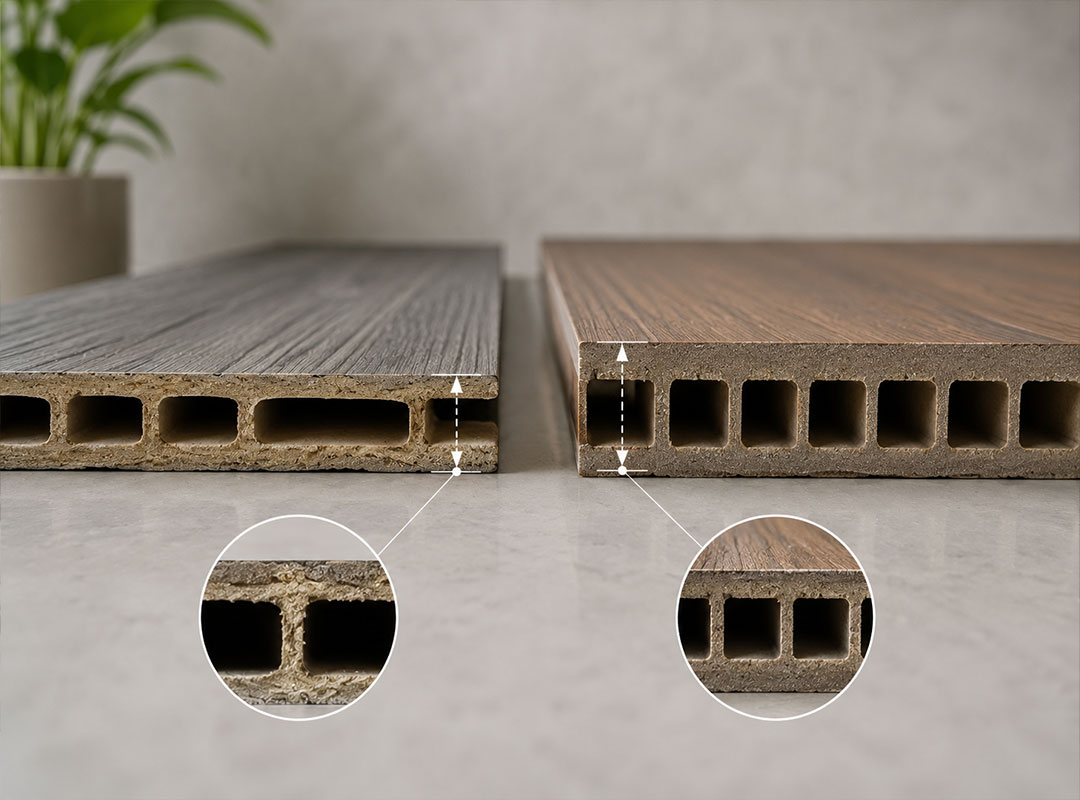
A wall panel finish may look visually impressive initially, but long-term practicality matters just as much. Modern WPC wall panels are increasingly preferred because they offer durability, moisture resistance, lower maintenance requirements, and resistance to warping. These qualities make them especially suitable for humid climates where traditional materials may deteriorate more quickly.
Certain finishes naturally require more maintenance than others. Glossy surfaces tend to reveal fingerprints and smudges more easily, while heavily textured finishes may collect dust if not cleaned regularly. Low-quality laminates can also peel or fade over time, especially in high-traffic environments or spaces exposed to direct sunlight. The best wall panel finish is one that balances aesthetics with realistic long-term usability. A finish should not only look impressive during installation but also maintain its appearance years later with manageable upkeep. Understanding how to choose wall panel finishes based on maintenance expectations can prevent expensive replacements in the future.
7. Common Mistakes When Choosing Wall Panel Finishes
One of the most common mistakes is following trends blindly without considering the overall design direction of the interior. A finish that looks attractive on social media may quickly feel outdated if it does not align with the architecture and furniture of the space. Interiors should prioritise longevity over short-lived trends. Another major mistake is ignoring lighting conditions during material selection. Showroom environments are carefully designed to flatter materials, but residential and commercial lighting conditions vary significantly. Without proper evaluation, the installed finish may appear darker, flatter, or more reflective than expected.
Overusing texture is another frequent issue. Too many textured surfaces within the same room can create visual chaos and make interiors feel cluttered. If the wall panels are highly detailed or deeply fluted, surrounding furniture and décor should remain more restrained to maintain balance.
Some homeowners also choose wall panels before defining the overall interior style. This often leads to mismatched combinations where walls compete against furniture rather than complementing the design language of the space. Understanding how to choose wall panel finishes within the context of a complete interior plan is essential for achieving cohesive results. Wall panels have evolved far beyond decorative additions. Today, they shape the architectural identity, atmosphere, and perceived sophistication of interiors. The finish selected for a wall panel influences how light behaves within the room, how spacious the environment feels, how luxurious the interior appears, and how well the design ages over time.
Wood grain finishes introduce warmth and timelessness. Stone-inspired textures create permanence and architectural depth. Metallic surfaces bring contemporary edge and sophistication. Linen-inspired textures soften interiors with understated elegance, while matte finishes reinforce calmness and minimalism. The right finish should never feel random or trend-driven. It should respond thoughtfully to the interior style, furniture palette, lighting conditions, and practical demands of the space. When chosen carefully, wall panels do more than decorate walls. They define the entire experience of the interior. For designers and homeowners searching for the best wall panel finish for interiors, thoughtful material selection remains the key to achieving timeless and functional spaces. For homeowners, designers, and commercial developers seeking premium decorative wall panel solutions, Wonde® offers a versatile range of wood grain, metallic, stone, cloth-pattern, and fluted panel systems designed for modern contemporary spaces.