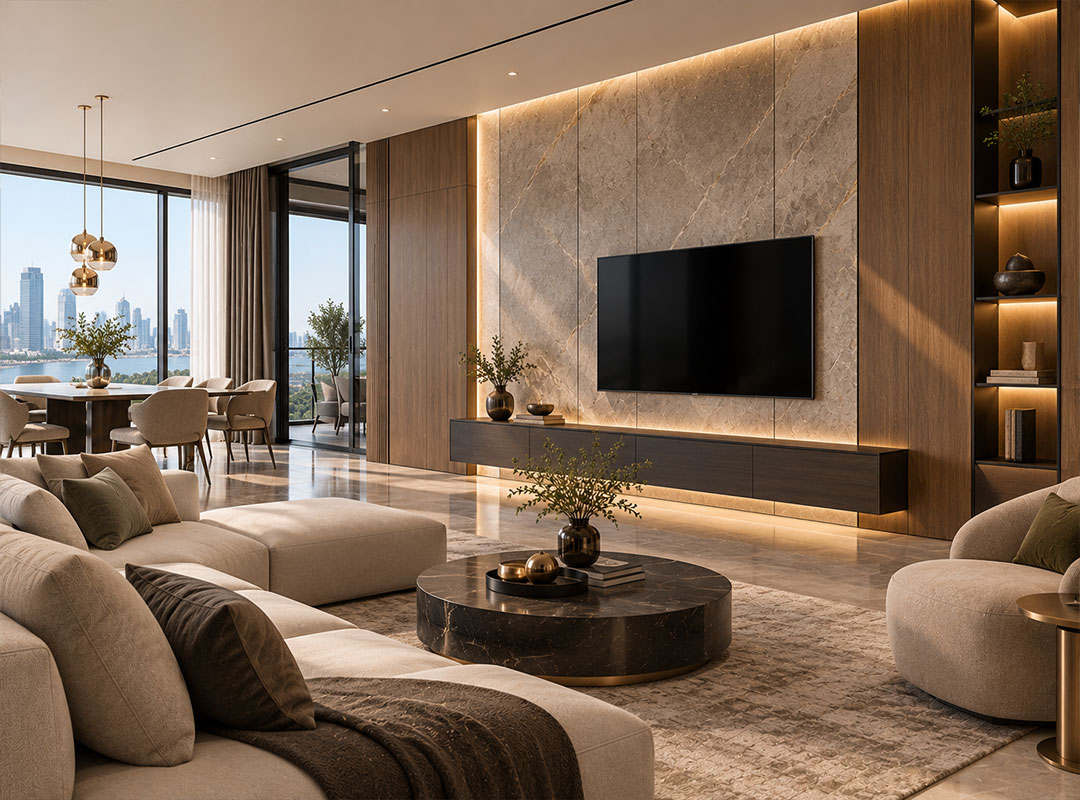
A penthouse can have impressive views, generous proportions and expensive furnishings, yet still feel like an ordinary residence. What creates the atmosphere of a luxury hotel is usually not the price of individual products, but the way the entire interior is organised around comfort, privacy, convenience and visual consistency. Hospitality interiors are carefully planned around how people move through and experience a space. The entrance creates an impression before the main room is revealed, bedrooms are designed as complete private suites, bathrooms are treated as experiences rather than purely functional spaces, and practical amenities are integrated into the architecture.
For homeowners looking to bring that atmosphere into a private residence, luxury condo interior design offers useful principles that can be adapted without making the home feel like a hotel replica. Wall treatments also play an important role because they occupy large visual areas and can establish the character of key spaces.
1. Create an Arrival Sequence, Not Just an Entrance
A luxury hotel rarely reveals everything immediately. Guests move through an entry sequence that may include a lobby, corridor, transition zone and finally the room itself. A penthouse can use the same principle by creating a deliberate progression from the entrance into the main living space. A foyer, partial screen, framed view or distinct wall treatment can establish this transition without requiring a large structural change. Wall panels in Singapore can be particularly effective on an entrance wall because they create an immediate material statement while keeping valuable floor space available. A stone-inspired finish can give the entrance a formal character, while a wood-inspired surface can create a warmer transition towards the living areas. The purpose is not to make the entrance dramatic for its own sake. It is to make arrival feel distinct from simply walking into another room.
2. Design the Bedroom as a Complete Private Suite
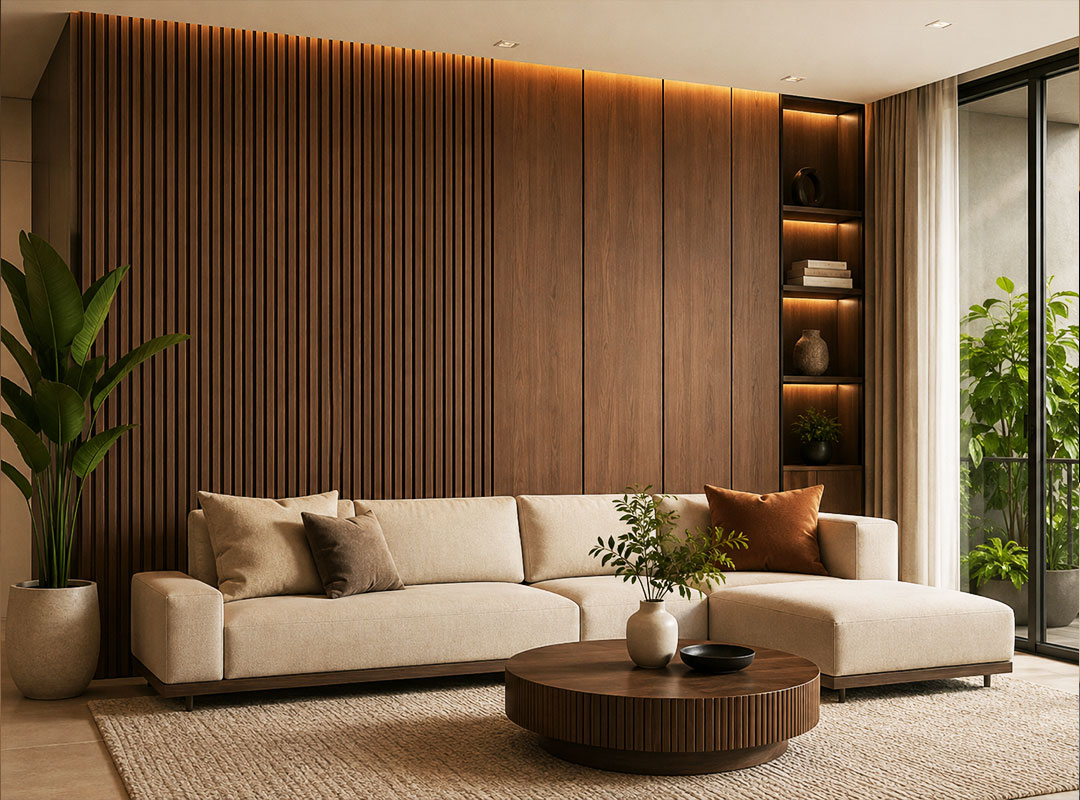
Luxury hotel suites are rarely planned as bedrooms alone. Sleeping, dressing, storage and bathroom access are treated as connected parts of one experience. The same principle can improve a penthouse bedroom. Instead of designing only the wall behind the bed, the surrounding furniture, wardrobes, dressing area and circulation should be considered together. A well-designed feature wall can provide a clear architectural anchor without relying on excessive decoration. Luxury wall panels in Singapore can be used behind a bed or across selected sections of the suite to establish a stronger sense of permanence and continuity. Stone, timber-inspired and textured surfaces can all work, depending on the broader character of the room. The important consideration is that the wall treatment should relate to the headboard, bedside furniture and joinery rather than appearing as an independent feature.
3. Give the Bathroom the Character of a Private Spa
The bathroom is one of the strongest opportunities to introduce a hotel-inspired experience. Luxury hotels typically treat the bathroom as an important part of the suite rather than a purely functional service area. Material selection, vanity design, mirror placement and storage are considered together to create a clean and cohesive environment. A penthouse bathroom can adopt the same approach by using a consistent surface treatment around the vanity, mirror and selected dry areas. Wall panels in Singapore can provide an alternative decorative surface where the design calls for texture, pattern or a stone-inspired appearance without relying entirely on conventional wall finishes. Wonde®’s WPC wall-panel range includes applications such as vanity walls, dry bathroom areas and hospitality environments, making it relevant to spa-inspired residential interiors. The important consideration is to match the product to the specific location and installation conditions rather than treating every bathroom surface in the same way.
4. Integrate Hospitality Amenities into the Living Space
One of the characteristics of a luxury hotel is that convenience is built into the room. Coffee stations, mini bars, beverage counters, concealed storage and dedicated service areas are positioned so that guests can use them without disrupting the rest of the space. A penthouse can adopt the same principle through a compact bar, beverage station, concealed pantry or entertaining counter. These features should feel like part of the architecture rather than separate pieces of furniture. Luxury condo interior design can incorporate a panelled backdrop behind such areas to give them a distinct identity and connect them visually with the rest of the living space. A stone-inspired wall can create a more formal bar setting, while a wood grain surface can make a coffee or beverage station feel warmer and more residential. The result should improve convenience without making the home resemble a commercial hospitality environment.
5. Build Privacy into the Architecture
A luxury hotel room is designed to provide a degree of separation from corridors, neighbouring rooms and other sources of disturbance. A penthouse should apply the same thinking, particularly where bedrooms are positioned close to living, entertainment or service areas. Doors, partitions, circulation paths and wall construction all influence how private different parts of the home feel. Decorative surfaces can contribute to the visual treatment of these areas, but a decorative panel should not be assumed to provide acoustic insulation unless its tested performance supports that claim. Luxury wall panels in Singapore can form part of a broader wall assembly while the actual acoustic control is handled through appropriate construction. This distinction matters because appearance and performance are separate considerations. A room should not only look private. Its planning and construction should support that privacy.
Why These Details Matter Together
The five details work because they address different parts of the residential experience. The entrance controls how the home is first encountered. The bedroom creates a complete private retreat. The bathroom provides a more immersive personal space. Hospitality amenities improve everyday convenience, while privacy measures protect the quality of the spaces behind them. The effect becomes stronger when the wall treatment supports these functions rather than competing with them. Wall panels in Singapore can establish different moods across the penthouse while maintaining an overall relationship between spaces. A formal stone-inspired surface may work at the entrance, a warmer wood grain finish may suit the bedroom, and a more restrained surface can support the bathroom or service areas.
Selecting Wall Treatments for a Penthouse
The scale of a penthouse allows wall surfaces to become important architectural elements, but that does not mean every large wall should be panelled. The strongest interiors usually identify the surfaces that benefit most from additional depth, texture or material definition. Premium wall panels can be useful for these applications because they can provide a stronger architectural finish without requiring every surface to carry the same level of detail. A feature wall behind a bed, a foyer backdrop or a carefully integrated bar area can be enough to establish the desired character.
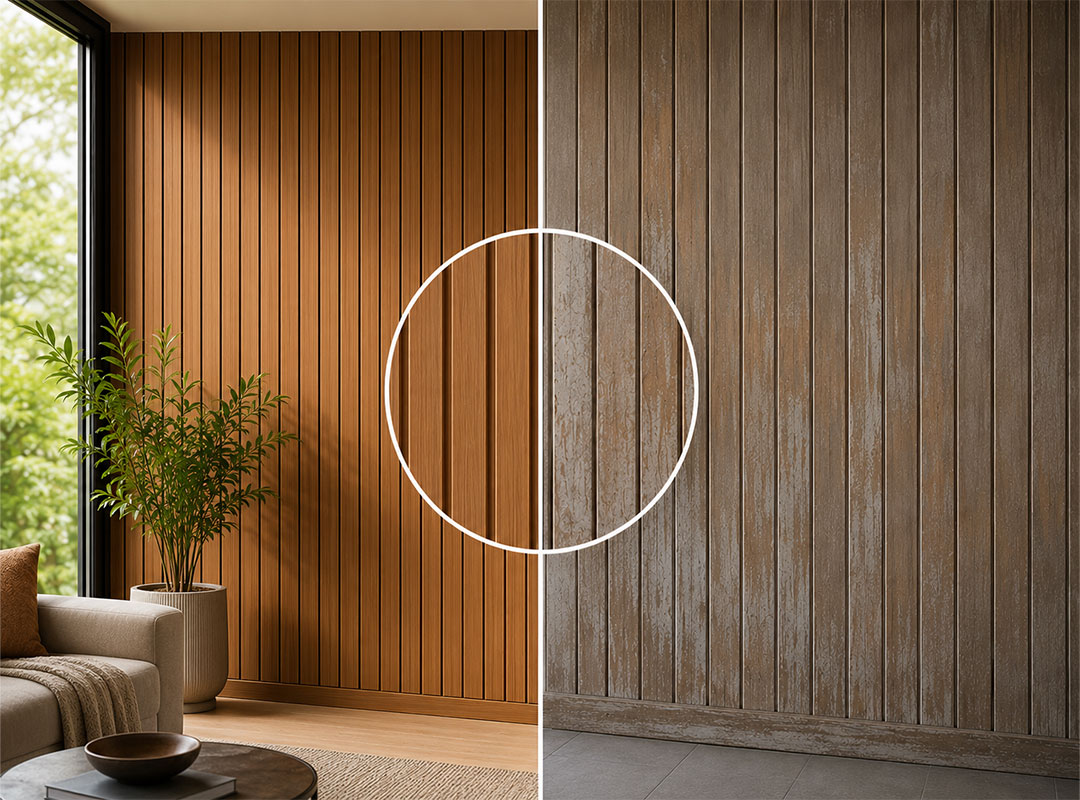
Wonde® offers several decorative wall-panel collections, including Stone, Wood Grain, Metallic, Cloth Pattern, Solid Colour, Ultra-HD and Fluted finishes. Each creates a different visual response, allowing the material to be selected according to the function and atmosphere of the space rather than using one finish throughout the property.
Creating a Residential Version of Hotel Luxury
The objective should not be to reproduce a five-star hotel room exactly. Hotels are designed for temporary stays, while a penthouse needs to support everyday living. That means some hospitality principles need to be adapted rather than copied. Storage, for example, needs to accommodate the homeowner’s possessions rather than a short-term guest’s belongings. Seating should work for extended use, not just for presentation. Personal items, artwork and family objects need space within the design. Even luxury condo interior design should ultimately feel residential and individual rather than staged.
This is where material selection becomes important. A sophisticated wall surface can provide the visual discipline associated with hospitality design while allowing the furniture, artwork and personal objects to change over time.
The Importance of Material Transitions
The quality of a hotel-inspired penthouse is also determined by how one surface transitions into another. A wall panel may meet a cabinet, door frame, flooring, skirting or ceiling, and each connection needs to be considered. When these transitions are poorly handled, even expensive materials can appear ordinary. Premium wall panels are most effective when their edges, joints and terminations are planned as part of the overall design. The panel should appear to belong to the wall rather than being visibly attached to it as a final decorative layer. This is especially important around built-in furniture, where the relationship between the panel and cabinetry can determine the overall impression of quality.
Choosing Between Different Panel Expressions
Different areas of a penthouse may require different surface characteristics. A marble-inspired stone finish can provide formality in an entrance or entertaining area. Wood grain can introduce warmth into a bedroom or lounge. Metallic surfaces can create a more contemporary character in selected areas, while fluted panels can provide a stronger sense of rhythm. This variety makes wall panels in Singapore useful beyond conventional feature-wall applications. The material can be used selectively to establish differences between spaces while maintaining a common design language across the home. The key is not to use every available finish. A luxury interior becomes stronger when the number of major material expressions is controlled and each one has a specific purpose.
A penthouse begins with qualities that naturally lend themselves to luxury, but architecture alone does not create a hotel-like experience. That atmosphere comes from the way the interior is organised and how carefully the individual spaces respond to comfort, privacy, convenience and movement. A considered arrival sequence makes the entrance feel intentional. A complete bedroom suite creates a more private experience. A spa-inspired bathroom adds another layer of comfort. Integrated hospitality amenities improve everyday usability, while proper privacy planning protects the quality of the residence. For homeowners developing luxury condo interior design, these principles provide a useful foundation without requiring the home to imitate a commercial hotel.
The right wall treatment can reinforce the same idea. Luxury wall panels in Singapore can give key spaces greater architectural definition, introduce texture and establish a stronger relationship between walls and built-in elements. At the same time, premium wall panels should be chosen according to the role of each surface rather than simply because the material looks expensive. When the finish, scale, installation and surrounding architecture are considered together, the result can feel polished without becoming artificial. A successful penthouse does not feel luxurious because it looks like a hotel. It feels luxurious because it delivers the same level of consideration, comfort and attention to detail while still feeling unmistakably like a home.s